
Quick Facts
- Event
- FHC Shanghai Global Food Trade Show 2026
- Date
- Tuesday, November 10, 2026
- Type
- Annual trade fair for food and hospitality sourcing
- Likely Venue Area
- National Exhibition and Convention Center area, western Shanghai
- Best For
- Food trade, hospitality sourcing, buyer meetings, product launches
- Nearest Airports
- Shanghai Hongqiao International Airport, Shanghai Pudong International Airport
- eSIMno Networks
- China Mobile
Why This Event Matters
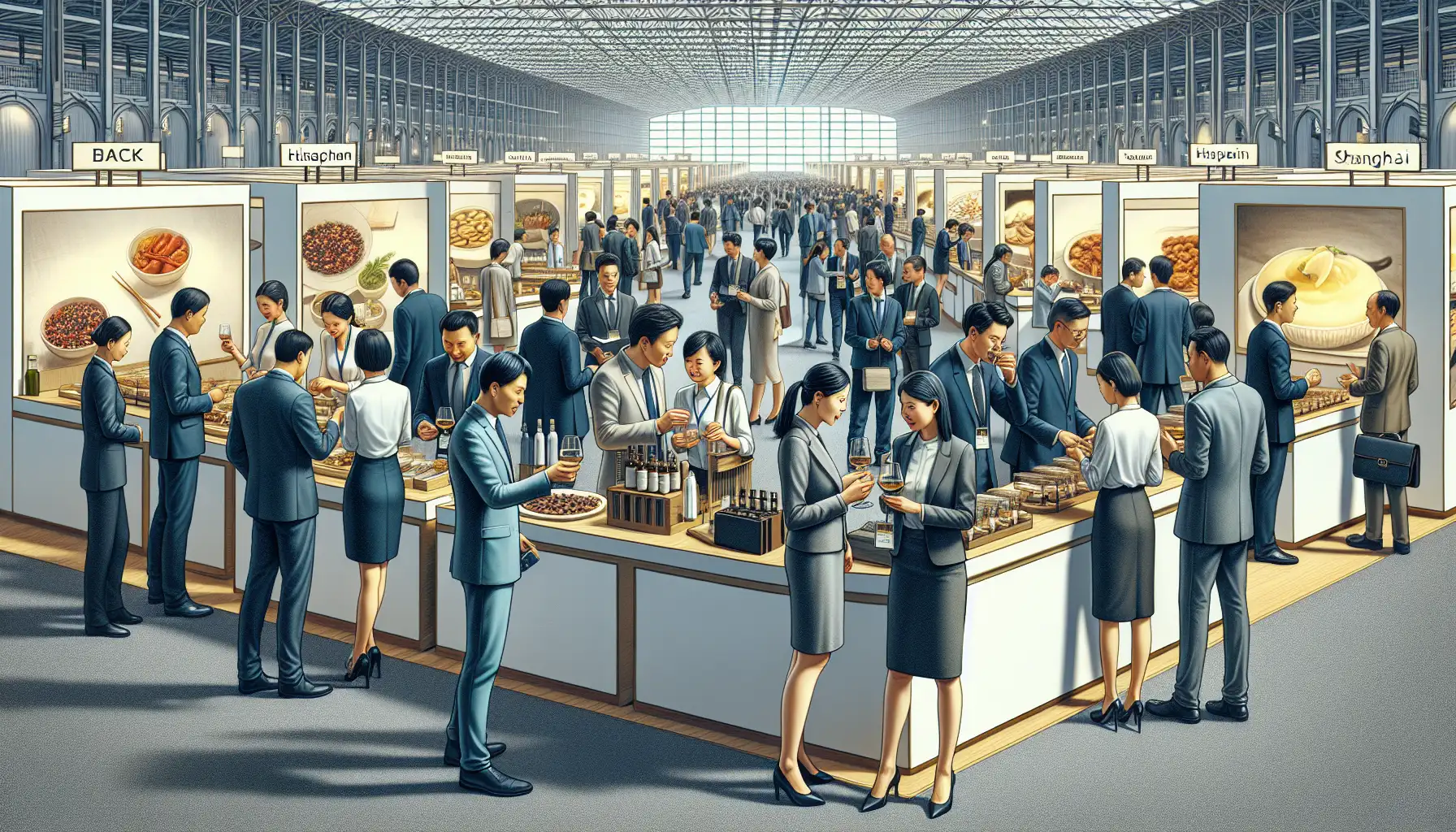
FHC Shanghai has a very particular energy. It’s not just a show where people browse shelves and collect brochures; it’s where food exporters try to open doors in China, where importers and distributors compare products side by side, and where hospitality buyers look for items that can actually work in hotels, restaurants, and retail channels. If you’re coming to meet food importers and hospitality buyers, launch products, or explore China market opportunities in foodservice and retail, this event makes sense because the audience is already aligned with those goals.
What gives it extra weight is the international participation. FHC has built a reputation as a strong platform for food trade with meaningful overseas exhibitor presence, so conversations tend to move beyond polite sampling into pricing, packaging, compliance, and route-to-market questions. That’s why the crowd feels focused. Food exporters, importers, distributors, chefs, hotel procurement teams, and retail sourcing teams all show up with a reason to be there. You’ll notice it in the aisles: fewer casual wanderers, more people checking labels, taking notes, and asking where the product is already selling.
If that sounds like your kind of room, it’s worth arriving prepared. Product catalogs, ingredient lists, and compliance documents come up fast here, and so do translation needs. Before the show opens, it’s smart to explore eSIMno plans for China so your phone is ready for the business side as well as the travel side.
Getting There and Around on Show Days
For a fair of this size, most travelers will want to stay on the Hongqiao side of Shanghai. If you land at Shanghai Hongqiao International Airport, you’re much closer to the likely exhibition zone and can usually reach nearby hotels by taxi, ride-hailing app, or metro without turning arrival day into a cross-city mission. Pudong works too, especially for long-haul flights, but the transfer is longer and less fun if you’re carrying samples or booth materials.
Accommodation-wise, Hongqiao, Changning, and western Minhang are practical picks. Hongqiao suits early starts and quick airport access. Changning gives you more restaurant choice for client dinners. Minhang can work well if you want to stay close to the venue and keep morning travel simple. On event days, Metro Line 2 is often the backbone for getting across the city, and Line 17 is useful if you’re combining the fair with a side trip toward Zhujiajiao. Taxis and ride-hailing are fine, but traffic around major exhibition grounds can bunch up badly right before opening and again at closing time.
A small but useful detail: if you’re meeting a buyer at the venue, agree on the hall entrance or registration zone, not just the venue name. Large Shanghai expo grounds can feel like their own district. That matters even more after a long day, when everyone is trying to leave at once and your next stop is dinner, a hotel, or Hongqiao railway connections.
Beyond the Event: Good Detours, Better Meals
If you’ve got a free evening, skip the obvious rush and lean into western Shanghai. Around Changning and nearby Gubei, you’ll find plenty of business-dinner-friendly restaurants, plus a more relaxed after-show rhythm than the riverfront. For local flavor, look for shengjian bao, xiaolongbao, and hong shao rou on menus, especially if you want something recognizably Shanghainese between tastings of imported products all day. If you’re in the mood for a proper food wander, Huanghe Road is a classic place to chase local dishes, while the streets around Yuyuan Bazaar are good for snacks like crab shell pastry and sweet rice treats if you don’t mind the crowds.
For nearby sightseeing, Zhujiajiao Ancient Town is the easiest distinctive half-day escape from the western side of the city. Mini tip: go earlier rather than treating it as a late-afternoon add-on, because the lanes feel much better before tour groups thicken. Jing’an Temple is another good option if you want something central but not too time-consuming; pair it with a dinner nearby and you’ve got a clean post-show evening. Mini tip there: the contrast is the point, old temple calm surrounded by modern Shanghai traffic and lights.
If you want one polished city view after a successful day of meetings, head to Shanghai Tower in Lujiazui. It’s not next door, but it works well for a celebratory evening. Mini tip: book that kind of skyline plan only after your last buyer meeting is done, because FHC days have a habit of stretching longer than expected.
Staying Connected During FHC Shanghai
This is where trade-show reality kicks in. Venue WiFi can be fine in quiet moments and frustrating when everyone is checking maps, uploading photos, or refreshing meeting messages at the same time. At FHC Shanghai, that matters because the phone tasks are constant: QR registration or ticket lookup at the gate, hall navigation, translation for ingredients and labeling, sending product photos to colleagues, and keeping group chats alive while your team splits across different sections.
The pressure points usually come in waves. Before the gates open, you may need your confirmation email, registration QR, and a live map all at once. During peak crowd hours, WiFi can slow down just when you’re trying to pull up a catalog or compliance file. After the event, transport apps and ride-hailing become the next bottleneck as thousands of people leave together. We’d rather have mobile data ready than gamble on overloaded public networks. If that’s your plan too, you can explore eSIMno plans for China before departure and land with data already sorted.
There’s also the simple human side of it. Food fairs are social. You’ll be sharing booth photos, sending voice notes, dropping live locations for dinner meetups, and telling your team which stand is unexpectedly worth a stop. Reliable data helps with the glamorous stuff, sure, but it’s even more useful for the boring little moments that keep the day moving.
How to Connect
- Before the gates open
At your hotel in Hongqiao, Changning, or Minhang, open your registration email, save the event QR code to photos, and load the venue area in your maps app before you leave. Morning queues move faster when you’re not searching your inbox at the entrance. - On the way to the venue
If you’re using Metro Line 2 or arriving by taxi near the exhibition zone, keep mobile data on for live route changes. Traffic and station exits can add unexpected walking time around large expo grounds. - During crowd peak inside the halls
Use your own data for translation, digital catalogs, and compliance files instead of relying on crowded venue WiFi. This is usually the moment buyers ask for ingredient specs, packaging details, or a product sheet right away. - For group messaging at the venue
If your team splits across halls, send a live location pin plus the hall number and nearest entrance. In big food fairs, saying only 'meet at the coffee area' is rarely enough. - After the show closes
Keep data ready for ride-hailing, metro timing checks, and dinner meetups. The post-event rush around the venue can be the hardest moment to reconnect if you’ve been depending on overloaded public WiFi all day.
Tips
- Bring a lightweight tote or foldable bag just for samples and printed materials. Food fairs get heavier by the hour, and separating samples from your laptop gear makes the day much easier.
- Photograph the product label and the booth fascia together when something interests you. Later, that single image is much more useful than a random close-up of packaging with no stand reference.
- Plan one dinner close to your hotel, not every dinner across town. After a full day of tastings and meetings, western Shanghai convenience often beats a glamorous but distant reservation.
Shanghai Food Trade Fair Mood
Compare Connectivity for FHC Shanghai Global Food Trade Show 2026
 Recommended Recommended | Local SIM / Operator | Roaming | |
|---|---|---|---|
| FEATURES | |||
| Setup time | Few minutes | Store visit + paperwork | Auto |
| No local ID needed | Online checkout | Local ID required | Use home account |
| Speed | 4G/LTE; 5G in some areas | Carrier-grade | Partner-dependent |
| Travel support | English support 24/7 | Operator shops and call centre | Home carrier hours |
| Keep home number | Dual SIM | Replaces it | Same number |
| Cost predictability | Fixed price | Bills can spike | Bill-shock risk |
| PRICING | |||
Typical pricing | See plans below | — | — |
PRICING — PICK YOUR ESIMNO PLAN
Destination overview
Frequently Asked Questions
Featured eSIM plans
China Mobile

China Mobile
China Mobile
China Mobile
China Mobile
China Mobile
China Mobile
China Mobile