

Quick Facts
- Language
- Valencian (Español)
- Currency
- Euro (EUR, €)
- Time Zone
- Central European Time (UTC+1 / UTC+2 DST)
- Dialing Code
- +34
- Power Plug
- Type C, E, F (round 2-pin, common across most of Europe)
- Emergency
- 112
- eSIMno Networks
- Movistar, Orange
How to Get Your eSIM
- Choose Your Spain Data Plan
Pick the package that fits your Barcelona stay — 3-day weekend burst, 7-day city break, or 14-day multi-region trip. Data works across the entire country, not just the city. - Install Over Home WiFi Before Departure
Scan the QR code or tap the direct-install link while still connected to your home network. The profile sits dormant until you activate it — your existing service stays untouched. - Activate After Landing at El Prat
Once the aircraft reaches the gate and you switch off airplane mode, enable the eSIM line in your phone's cellular settings. Signal locks within seconds. - Keep Your Home SIM for Calls
The eSIM handles all data — maps, tickets, translations, rideshare apps. Your home number stays active for incoming calls; outgoing calls work best over FaceTime, WhatsApp, or Google Meet using eSIM data. - Ride the Aerobus to Plaça Catalunya
The 35-minute express bus departs every 5 minutes from T1 and T2. Pull up the live departure board on your phone, tap your contactless card, and follow Google Maps walking directions to your hotel from the city-center drop-off.
Traveler Tips
- Book La Sagrada Familia tickets 2-3 weeks ahead — the venue releases timed-entry slots at 9:00 AM local time, and afternoon light through the stained glass peaks around 5 PM.
- FreeNow and Cabify dominate Barcelona rideshare; Uber operates but with licensed taxi drivers only. Keep the app open for surge alerts during FC Barcelona match nights at Camp Nou.
- The T-Casual 10-ride metro card costs around €11.35 and covers zones 1-2 including airport Line L9 Sud; tap-and-ride contactless also works on TMB buses and trams.
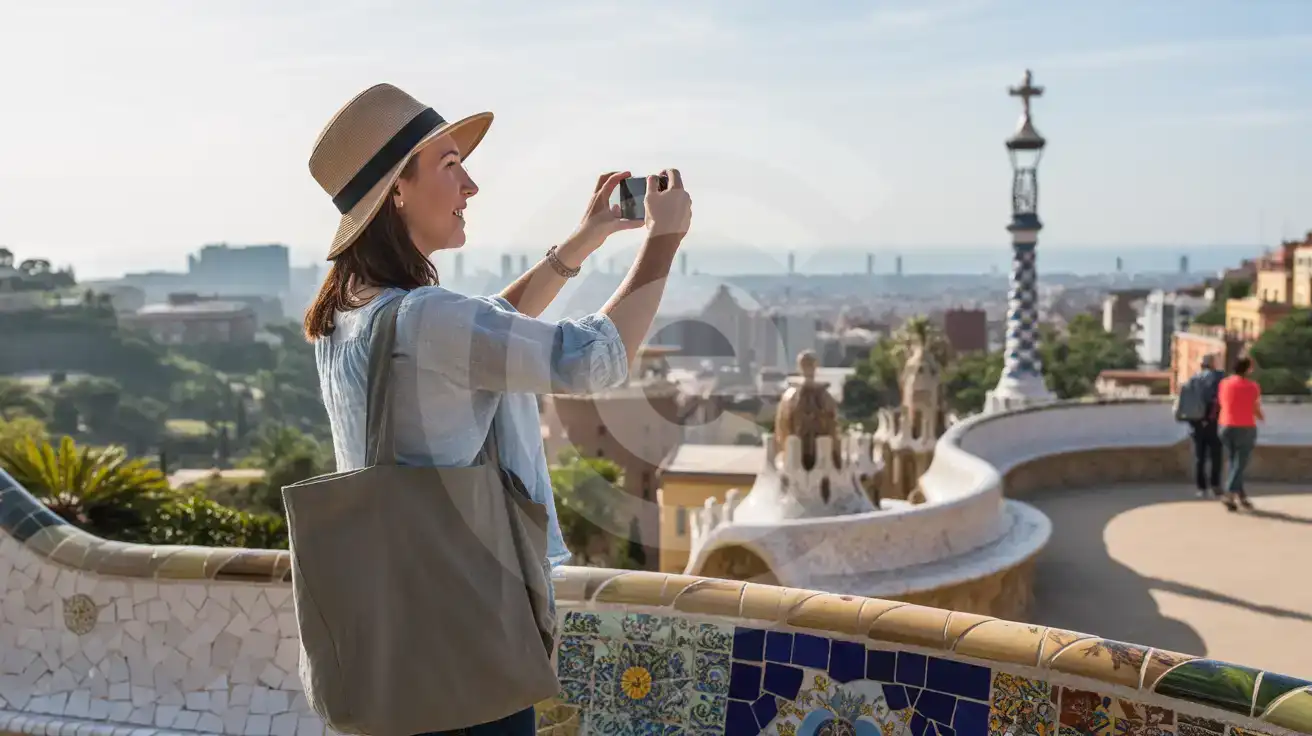
- Park Güell's Monumental Zone requires a timed-entry ticket (around €10) — download the QR to your phone before arrival because the on-site queue often hits 45 minutes.
- Gothic Quarter restaurants list daily specials on Instagram Stories rather than printed menus; data lets you browse before committing to a table.
- Barceloneta Beach gets crowded by 11 AM in summer — check wind and UV conditions on the AEMET weather app before heading out.
Why Data Matters in Barcelona
Barcelona runs on timed-entry QR codes, real-time transit apps, and last-minute reservation confirmations. Your La Sagrada Familia slot, your Casa Batlló augmented-reality tour, your rooftop dinner booking at a Born neighborhood terrace — each loads from your phone, and each assumes you have signal the moment you need it. The Aerobus from El Prat to Plaça Catalunya departs every 5 minutes from both T1 and T2; pulling up the live schedule on TMB's official app beats guessing which platform to stand on after a transatlantic red-eye.
The Gothic Quarter's medieval grid defeats static maps. Streets twist, names change mid-block, and signage disappears behind scaffolding. Google Maps live-walking mode keeps you on track to that hidden vermouth bar on Carrer dels Banys Nous; without it, you'll circle the same alley three times. Camp Nou match tickets display as QR codes inside the FC Barcelona app — the gate scanner won't accept a screenshot, so the app needs data to refresh the barcode. After the final whistle, 90,000 fans flood toward Palau Reial metro (L3 Green Line) and rideshare surge pricing spikes; checking FreeNow and Cabify in real time helps you spot the cheaper option before the walk to the pickup zone.
La Boqueria's stall vendors quote prices in rapid Catalan; Google Translate's camera mode decodes the handwritten chalkboards instantly. The Magic Fountain of Montjuïc runs light shows on weekend evenings — the schedule updates seasonally and lives on the Barcelona tourism site, not on a printed flyer. From confirming your Montserrat day-trip train on Renfe Cercanías to sharing sunset photos from Bunkers del Carmel to your group chat, every scenario needs data. An eSIMno plan for Barcelona, Spain delivers it from the moment you land.
About Barcelona & What Travelers Come For
Neighborhoods at a Glance
The Gothic Quarter packs Roman walls, medieval alleys, and the 13th-century Barcelona Cathedral into a single walkable square kilometer — expect crowds near the Plaça Reial fountain after 6 PM. El Born sits east of the Gothic core, home to the Picasso Museum and late-night cocktail bars along Passeig del Born. Eixample spreads north in a grid of chamfered blocks, anchored by Basílica de la Sagrada Família and the Modernista showpieces along Passeig de Gràcia. Gràcia feels like a village trapped inside a city, with small plazas hosting neighborhood festivals every August. Barceloneta hugs the waterfront, its narrow lanes opening onto a 1.1-kilometer beach strip.
Top Things Travelers Come For
Gaudí's unfinished masterpiece draws over 4 million visitors annually — the Nativity façade stained glass glows brightest in late-afternoon light. Casa Batlló and Casa Milà anchor the Passeig de Gràcia Modernista mile; each charges around €35-40 for timed-entry with audio guide. Camp Nou seats 99,354 for FC Barcelona matches and opens for stadium tours on non-match days. Park Güell's Monumental Zone offers tile-mosaic benches and city views for around €10 timed-entry. La Boqueria's stalls overflow with jamón ibérico, fresh seafood, and tropical fruit smoothies — arrive before 10 AM to beat the cruise-ship crowds.
When to Visit
May and October deliver warm days, lighter crowds, and terrace-friendly evenings. August sees locals fleeing to the coast, leaving the city to tourists and shuttered neighborhood shops. Mobile World Congress (late February) and Primavera Sound (early June) spike hotel rates and rideshare demand; data helps you confirm backup bookings and track surge pricing in real time.
Getting Around Barcelona
Airport Transfers
El Prat Airport sits 13 kilometers southwest of the city center. The Aerobus express runs every 5 minutes from T1 and T2 to Plaça Catalunya (35 minutes, around €7.75 one-way). Metro Line L9 Sud connects both terminals to Zona Universitària and interchange points for L3 and L5 — the airport supplement pushes the fare to around €5.15. FreeNow and Cabify quote €30-40 to the Gothic Quarter depending on traffic; surge pricing spikes during Mobile World Congress week.
Public Transit
TMB operates 8 metro lines, over 100 bus routes, and 3 tram lines across the city. The T-Casual 10-ride card costs around €11.35 for zones 1-2 and works on metro, bus, tram, and Renfe Cercanías commuter rail within the zone. Contactless payment is live across the network — tap your card at the turnstile and the system charges the same per-ride fare. Google Maps and Citymapper pull real-time arrival data; the TMB app shows live metro intervals down to the minute.
Walking & Rideshare
The Gothic Quarter, El Born, and La Barceloneta cluster within a 25-minute walk of each other along flat terrain. Gràcia and Park Güell sit uphill — the 116 bus drops you at the park's Carmel entrance and saves the climb. Bicing bike-share requires a yearly subscription (around €50) and won't accept foreign cards for single rides; electric scooters from Lime and Tier work with app-based payment. For match nights at Camp Nou, the L3 Green Line to Palau Reial handles the bulk of fan traffic — check Google Maps live crowding data before committing to the metro versus a rideshare pickup on Avinguda Diagonal.
Park Güell Mosaic Terraces
Compare eSIM Providers in Barcelona
eSIMno | Local SIM / Operator | Roaming | |
|---|---|---|---|
| FEATURES | |||
| Setup time | Few minutes | Registered in store before the SIM works | Auto |
| No local ID needed | Online checkout | Photo ID required by law at purchase | Use home account |
| Speed | 4G/LTE on Movistar and Orange; 5G in some areas | One network only | Partner-dependent |
| Travel support | English support 24/7 | Spanish-language service | Home carrier hours |
| Keep home number | Dual SIM | Replaces it | Same number |
| Cost predictability | Fixed price | Prepaid, no bill shock | Bill-shock risk |