
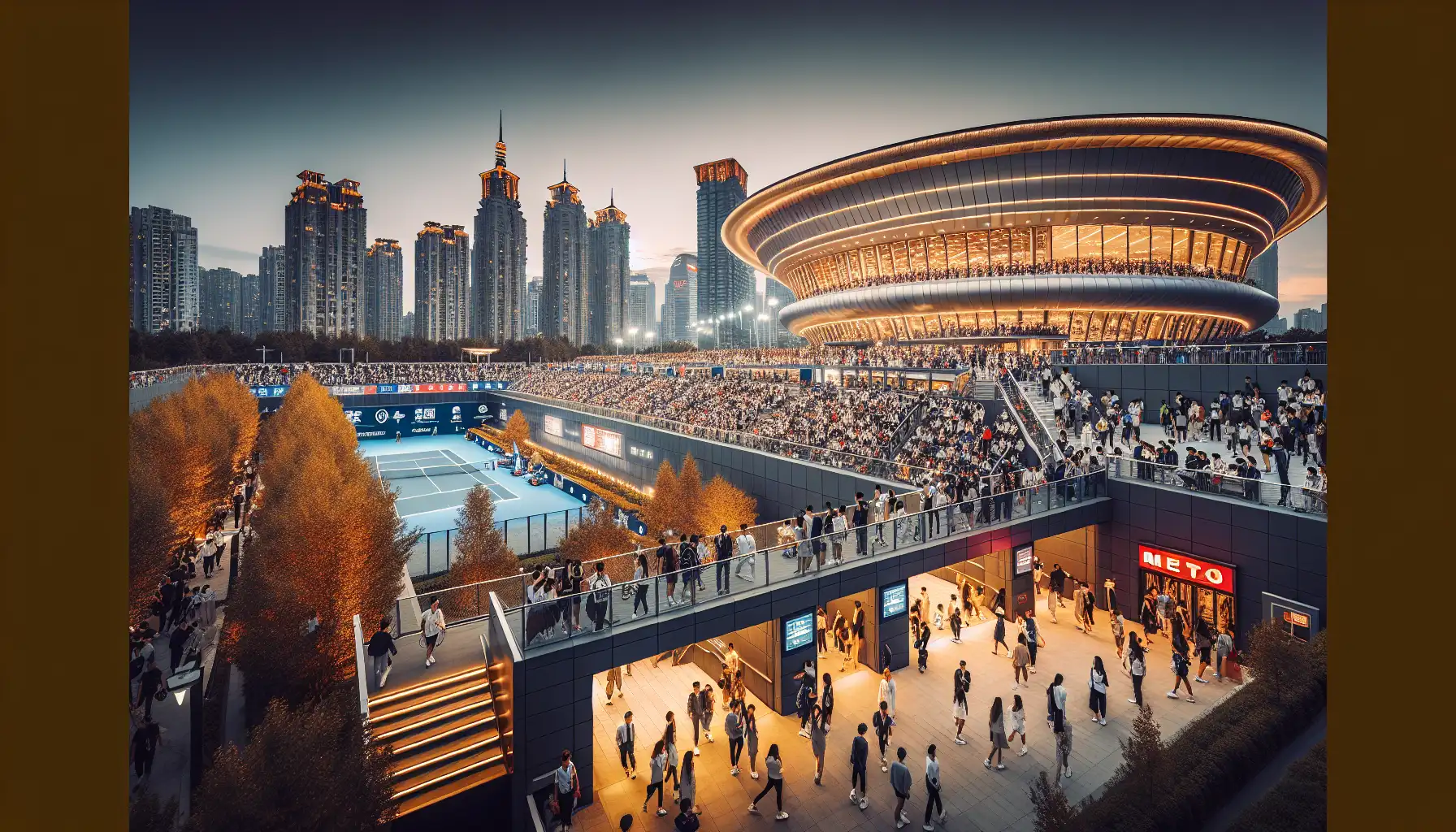
Quick Facts
- Event
- Shanghai Rolex Masters 2026
- Date
- 2026-10-05
- Type
- International Tournament
- Usual Venue Area
- Qizhong Forest Sports City Tennis Center, Minhang District
- Best For
- International tennis tourism and upscale short stays
- Nearest Major Airports
- Shanghai Hongqiao International Airport, Shanghai Pudong International Airport
- eSIMno Networks
- China Mobile
Why This Event Feels Different
This is the Shanghai sports week that draws a very particular crowd. You’ll see committed tennis fans following every practice update, sports travelers building a city break around a night session, and sponsors or hospitality guests leaning into the premium side of the tournament. That mix matters. The Shanghai Rolex Masters has the recognition of a top-tier ATP Masters 1000 event, so it carries real weight on the tennis calendar, but it also feels polished in a way that suits Shanghai.
People come because the tennis is elite, obviously, yet the appeal goes wider than the draw sheet. You’re getting top men’s tennis in one of Asia’s flagship ATP events while staying in a city that can do luxury hotels, sharp dining, and easy add-on sightseeing in the same trip. That’s why it works so well for tennis fans, sports travelers, sponsors, and hospitality guests alike. If your ideal short stay includes a big evening match, a good dinner, and a city that still feels switched on after midnight, this one lands nicely.
Getting There and Around on Tournament Days
For most visitors, Shanghai Hongqiao International Airport is the easier arrival because it’s much closer to Minhang than Pudong is. If you land at Hongqiao, a taxi or ride-hail is often the simplest move, especially if you’re carrying luggage and heading straight to a hotel near Xinzhuang, Qibao, or southern Jing’an. Pudong still works fine, but the cross-city transfer is longer, so build in extra time if you’re trying to make an afternoon session.
The tournament is generally associated with the Qizhong Tennis Center area in Minhang District. On event days, the practical hotel question is less about postcard views and more about your tolerance for travel time. Xinzhuang is useful if you want shorter venue runs. Qibao gives you a more local neighborhood feel plus easy food options. Xintiandi or the Former French Concession suits travelers who want better nightlife and dining, then don’t mind a longer ride back after the match.
Metro plus a short taxi is often the least stressful combination during busy sessions, especially if roads tighten near the venue. If you’re using ride-hailing after the final match, don’t assume the first pickup pin is the best one. Crowds bunch up fast around main exits. It helps to walk a little away from the heaviest gate traffic before requesting your car. If you’d rather avoid the scramble, wait out the first wave with a drink or snack, then head for transport once the crowd thins.
Beyond the Tennis: Food, Short Detours, and Nearby Shanghai
If you want a pre-match neighborhood with character, Qibao Ancient Town is a smart detour. It’s much closer to the venue side of Shanghai than the riverfront classics, and it’s good for a low-pressure wander before an evening session. Snack on shengjian mantou, try sticky rice cakes, and keep an eye out for local noodle shops rather than only the busiest snack counters. It’s touristy, yes, but still useful and atmospheric.
For a proper dinner after the tennis, Xintiandi and nearby Sinan Road are better bets than trying to improvise around the venue late at night. You’ll find polished restaurants, wine bars, and easier meeting points if your group splits up during the day. If you want something more local, head toward Qibao for braised pork dishes, wontons, and river-style snacks. Shanghai hairy crab season also overlaps with this time of year, so if you’re in town for a few days, it’s worth booking a crab-focused meal in advance.
Three easy add-ons if you’re stretching the trip: Zhujiajiao Ancient Town for a half-day water-town break; go early if you want quieter canals and easier photos. Jing’an Temple works well on a city day when you want something central but not rushed; pair it with nearby cafés before heading south for the match. And the Shanghai Museum is a strong rainy-day option if you’ve got a free afternoon and want a calmer counterpoint to the tournament buzz. If you’re planning your city days around match sessions, it helps to explore eSIMno plans for Shanghai so maps, bookings, and route changes stay easy while you move between districts.
Staying Connected When the Crowd Peaks
Tennis events create a very specific kind of phone pressure. You’re not just casually browsing. You’re pulling up a QR ticket at the gate, checking if the order of play has shifted, messaging friends about seat sections, and figuring out the fastest route back once thousands of people leave at once. Venue WiFi can feel fine before the stands fill, then noticeably less reliable when everyone starts doing the same thing at the same time.
That’s why we’d treat mobile data as your main plan, not your backup. Keep your ticket app logged in before you arrive, save the venue name in both English and Chinese for drivers, and use data for live metro routing after the session ends. It also helps with restaurant bookings if your match runs long and your dinner plan changes. Photo sharing is another small but real issue here: a lot of people try to upload clips and crowd shots between matches, which is exactly when public connections can drag.
If you’re traveling with friends, agree on one messaging app before you enter and pin a meeting point outside the busiest gate. Screenshots are useful, but live data is better when someone changes seats, gets delayed at security, or heads out early to beat the transport rush. For these event-day moments, eSIMno is simply a practical way to keep your phone useful from first scan to final ride home.
How to Connect
- Before the gates open
If you’re coming from Hongqiao or from a hotel in Xintiandi, Qibao, or Xinzhuang, switch to mobile data before you leave. Load the venue route, open your ticket app, and save the Chinese name of Qizhong Tennis Center so a driver or local helper can confirm you’re heading to the right place. - At the entrance for QR ticket scanning
Don’t wait until you’re in the queue to log in. Open your ticket while you still have space to stand, turn screen brightness up, and keep data on in case the app needs a refresh or identity check. - During the crowd peak
Once the main stadium fills, venue WiFi may slow down. Use your own data for live schedule updates, seat-sharing messages, and any last-minute food or transport booking instead of relying on public access. - After the final match
Post-event transport is the real stress point. Check metro routing or request your ride only after you’ve moved away from the busiest gate area. If your group splits, send a live location or a photo of the exact exit rather than just typing the venue name again.
Tips
- If you’re meeting friends inside, agree on a food stand or concourse point, not just a gate number. At tennis venues, people often enter through the same gate and then drift to different courts or hospitality areas.
- Bring a light extra layer even if the afternoon feels warm. Shanghai evenings in early October can cool off quickly once you’re seated for a long night session.
- If you plan dinner after the match, book somewhere on the side of the city you’re actually returning to. A reservation in Xintiandi makes sense from central hotels; one in Qibao makes more sense if you’re staying closer to Minhang.
Shanghai Tennis Night
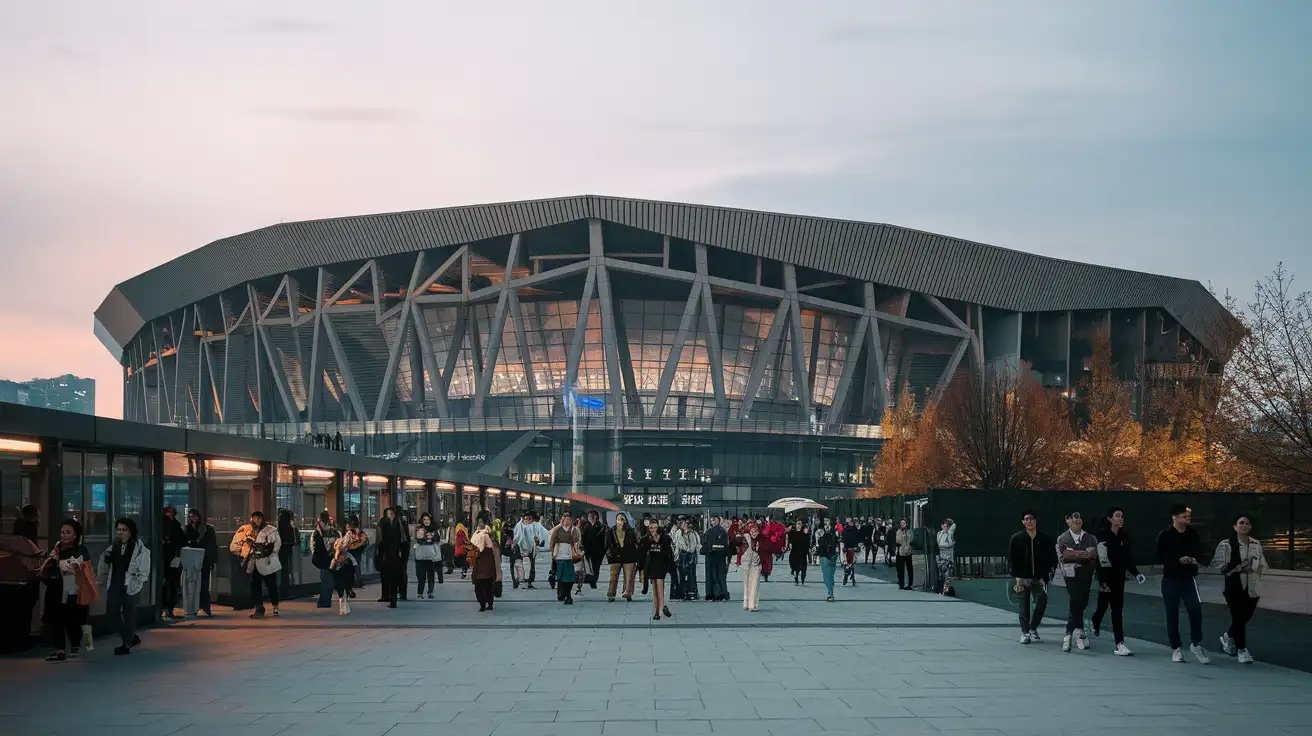
Compare Internet Plans in Shanghai Rolex Masters 2026
 Recommended Recommended | Local SIM / Operator | Roaming | |
|---|---|---|---|
| FEATURES | |||
| Setup time | Few minutes | Store visit + paperwork | Auto |
| No local ID needed | Online checkout | Local ID required | Use home account |
| Speed | 4G/LTE; 5G in some areas | Carrier-grade | Partner-dependent |
| Travel support | English support 24/7 | Operator shops and call centre | Home carrier hours |
| Keep home number | Dual SIM | Replaces it | Same number |
| Cost predictability | Fixed price | Bills can spike | Bill-shock risk |
| PRICING | |||
Typical pricing | See plans below | — | — |
PRICING — PICK YOUR ESIMNO PLAN
Destination overview
Frequently Asked Questions
Featured eSIM plans
China Mobile

China Mobile
China Mobile
China Mobile
China Mobile
China Mobile
China Mobile
China Mobile