
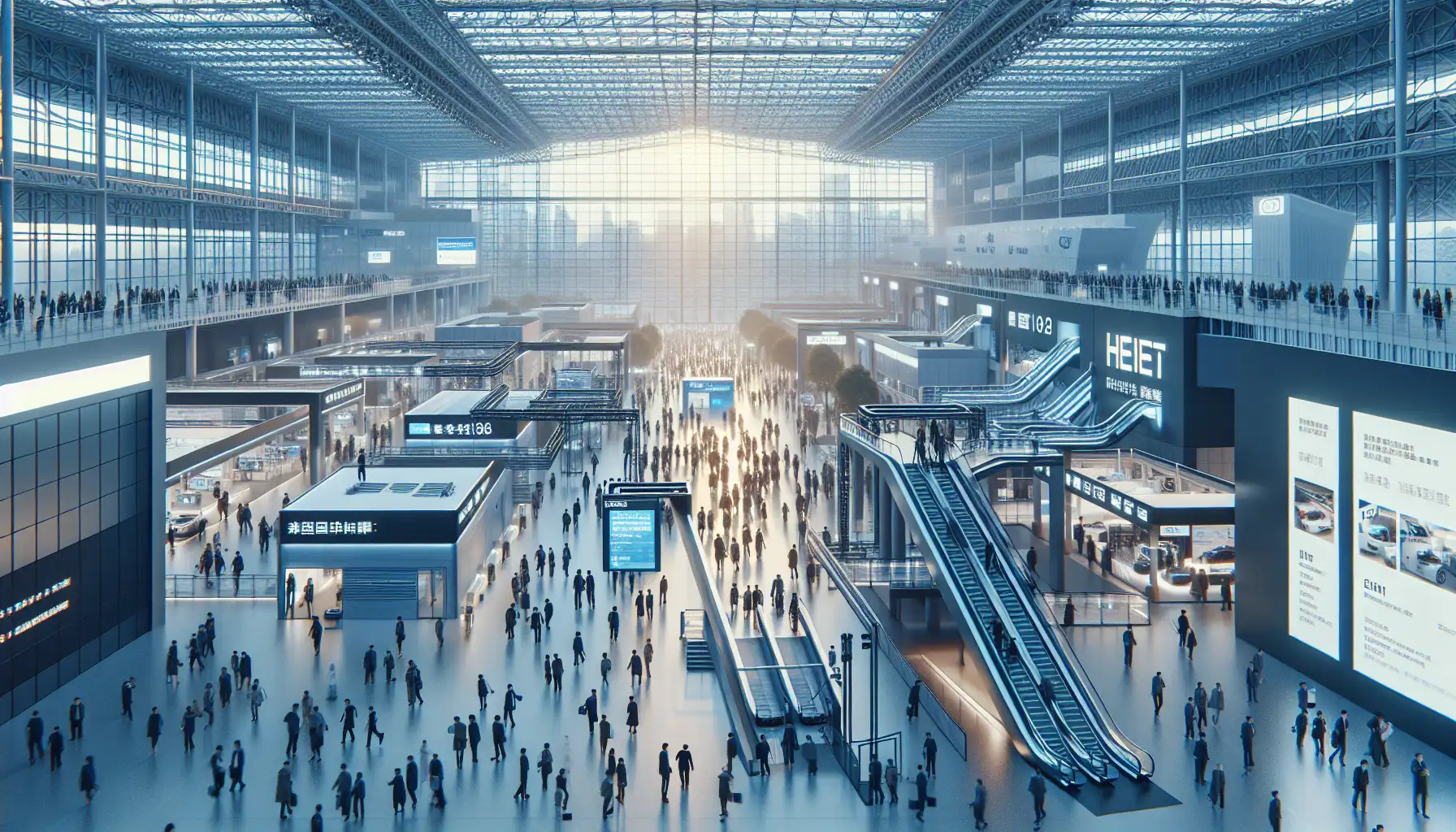
Quick Facts
- Event
- Automechanika Shanghai 2026
- Date
- 2026-12-02
- Type
- Annual trade fair
- Best For
- Automotive sourcing and aftermarket business development
- Likely Venue Area
- National Exhibition and Convention Center area, western Shanghai
- Nearest Airport for Convenience
- Shanghai Hongqiao International Airport
- eSIMno Networks
- China Mobile
Why This Event Matters
Automechanika Shanghai isn’t a casual browse-and-wander expo. It’s one of the automotive aftermarket calendar’s serious meeting points, the place where sourcing conversations, repair technology updates, diagnostics, accessories, and mobility solutions all end up under one roof. If you’re traveling to Shanghai for business, this is exactly why the trip makes sense: you’re here to meet global automotive suppliers and aftermarket specialists in a setting built for comparison, negotiation, and fast follow-up.
What gives this fair its weight is the mix of scale and international reach. It’s globally recognized, and that shows up in the crowd. You’ll hear multiple languages in the aisles, see overseas buyer teams moving with tight schedules, and notice how many exhibitors are prepared for cross-border business from the first handshake. That strong overseas exhibitor and buyer participation is a big reason people keep returning year after year.
The audience is also unusually focused. Auto parts buyers come to shortlist suppliers. Distributors come to test pricing and availability. Workshop operators look for practical tools and repair solutions they can actually implement. Fleet managers and mobility industry professionals come with a wider lens, often balancing maintenance, efficiency, and future-facing technology. In other words, this fair works best for people who need useful conversations, not just flashy displays.
Getting There and Around on Event Days
For this event, airport choice really matters. If you can, fly into Shanghai Hongqiao International Airport. It’s the more convenient option for the likely exhibition area in western Shanghai, and the transfer is usually much easier than crossing the city from Pudong. Pudong still works well for long-haul arrivals, but you’ll want to budget more time, especially on weekday mornings.
From Hongqiao, taxis and ride-hailing are straightforward, and Metro Line 2 is often the most predictable option if roads are slow. From Pudong, Line 2 can get you across the city, though it’s a longer ride; a taxi is simpler with luggage but less predictable in traffic. If your schedule includes early registration or breakfast meetings, staying near Hongqiao Railway Station, Xujing, or the exhibition district can save you a lot of energy. If you want better evening dining and client meetups, Jing’an and Changning are a good middle ground: more atmosphere, still manageable for fair days.
During the event, expect pressure at metro interchanges and outside the venue right after closing time. It helps to leave one hall early if you have a fixed dinner or train. Shanghai’s metro is excellent, but trade fair surges create bottlenecks at exactly the moments business travelers care about most. Keep your hotel name in Chinese in your notes app, and if you’re heading to a dinner in western Shanghai, ask the restaurant for the nearest metro exit as well as the address. For data before you land, you can explore eSIMno plans for Shanghai and sort your connection before the first transfer.
Beyond the Event: Short Shanghai Detours That Actually Fit
Trade fair trips don’t always leave much free time, so the best Shanghai add-ons are the ones you can do without wrecking your schedule. Zhujiajiao Ancient Town is a strong choice if you have a half day before or after the fair. It’s west of central Shanghai and gives you stone bridges, canals, and a slower rhythm that feels very far from exhibition halls. Mini tip: go earlier in the day if you want better photos and a calmer boat-ride atmosphere.
If you’ve got just an evening, Jing’an Temple works well because it pairs easily with dinner plans nearby. The contrast is part of the appeal: incense, gold roofs, then modern city streets a few minutes away. Around the area, you’ll find polished business-dinner options as well as easier solo meals. I like this part of town after a fair day because it feels lively without demanding too much from you.
For a classic Shanghai window between meetings, head to Yu Garden and the surrounding old-city lanes. Yes, it’s popular, but it gives you a quick hit of traditional architecture and snack culture in one stop. Nearby food options are the real bonus: try xiaolongbao, shengjian bao, and crab roe noodles if they’re in season. For a more dinner-focused outing, Huanghe Road is a useful name to know for Shanghai dishes, while the Hongqiao and Changning side of town has plenty of practical restaurant clusters for client meals. If you want something warming in December, hairy crab season may be tapering off, but hong shao rou and scallion oil noodles still hit the spot beautifully.
Staying Connected at Automechanika Shanghai
This is where event reality kicks in. At a fair like Automechanika Shanghai, venue WiFi can be fine one minute and frustrating the next, especially once the halls fill up and everyone starts scanning badges, loading exhibitor maps, and sending product photos. If your registration QR code lives in an email, pull it up before you reach the entrance queue. Better yet, save it to your phone gallery so you’re not refreshing your inbox at the gate.
Inside, mobile data becomes your working tool. You may need it for exhibitor appointments, product scans, translation help, live schedule changes, and messaging colleagues who’ve disappeared into another hall. Group chats matter more than people expect here. Teams split up fast, and a simple pinned message with hall numbers and meetup times can save a lot of walking.
The other pressure point comes after the event. Once the crowd spills out, ride-hailing demand jumps and pickup points get messy. This is exactly when a stable connection helps: you can confirm the right gate, share your live location, or switch to metro directions if the road queue looks hopeless. And if you’re sending booth photos or spec sheets back to the office before dinner, you’ll be glad you’re not relying on overloaded public WiFi. That’s the practical case for eSIMno: not hype, just fewer weak spots in a very full day.
How to Connect
- Before the gates open
Set up your data connection before leaving Shanghai Hongqiao International Airport or before boarding Metro Line 2 toward the exhibition area. Test one live task that matters for the day, like opening your registration email, loading the venue map, or checking your first exhibitor appointment. - At the entrance queue
Save your QR ticket or registration code to your photo gallery before you reach the scanners. In a busy morning line, this is faster than searching through email while hundreds of people are doing the same thing. - During crowd peak inside the halls
Use mobile data instead of depending on venue WiFi for exhibitor lookups, product scans, and messaging your team. If your group is splitting across halls, agree on one chat thread and include hall numbers, stand numbers, and a fixed meetup time. - After closing time
When the venue empties, check both ride-hailing and Metro Line 2 options before joining the first queue you see. If pickup zones are crowded, send your colleagues a live location pin and a photo of the exact gate area so everyone heads to the same spot.
Tips
- Carry a small power bank in an inside pocket. Trade fair days are long, and constant scanning, maps, translation, and camera use drain batteries faster than a normal city day.
- If you collect brochures from multiple suppliers, photograph the business card on top of each stack right away. Later, your camera roll becomes a much better memory tool than a bag full of paper.
- For post-fair dinners, book restaurants near your evening district rather than near the venue. The area around major exhibition grounds can feel practical rather than memorable once the halls close.
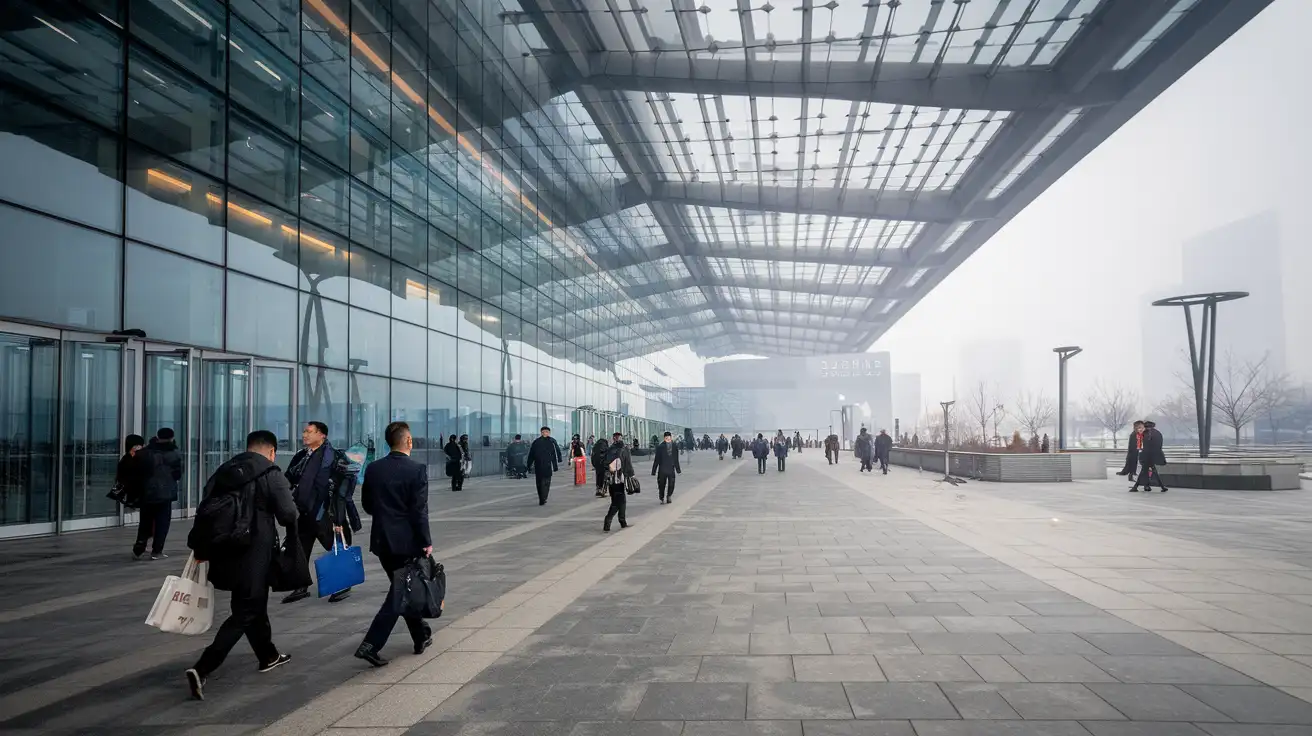
Trade Fair Morning in Shanghai
Compare Internet Plans in Automechanika Shanghai 2026
 Recommended Recommended | Local SIM / Operator | Roaming | |
|---|---|---|---|
| FEATURES | |||
| Setup time | Few minutes | Store visit + paperwork | Auto |
| No local ID needed | Online checkout | Local ID required | Use home account |
| Speed | 4G/LTE; 5G in some areas | Carrier-grade | Partner-dependent |
| Travel support | English support 24/7 | Operator shops and call centre | Home carrier hours |
| Keep home number | Dual SIM | Replaces it | Same number |
| Cost predictability | Fixed price | Bills can spike | Bill-shock risk |
| PRICING | |||
Typical pricing | See plans below | — | — |
PRICING — PICK YOUR ESIMNO PLAN
Destination overview
Frequently Asked Questions
Featured eSIM plans
China Mobile

China Mobile
China Mobile
China Mobile
China Mobile
China Mobile
China Mobile
China Mobile