
Dates checked on October 4, 2026 · Source
At a Glance
- Event date
- Wednesday, February 10, 2027
- City & venue
- Berlin; main festival hub around Potsdamer Platz and nearby central cinemas
- Nearest airport
- Berlin Brandenburg Airport (BER) — about 35 to 50 minutes to Potsdamer Platz by Airport Express + S/U-Bahn or taxi
- Where to stay
- Potsdamer Platz / Mitte, or Schöneberg for easier rates and quick U-Bahn access
- Tickets
- Public screening tickets are typically about EUR 15 to EUR 20; premieres and special screenings can be higher
- eSIMno Networks
- O2, T-Mobile, Vodafone
What to Expect
The pace here is very different from a music festival. Berlinale is less about camping out at one site and more about moving through a city-wide film rhythm anchored by Potsdamer Platz. That’s what makes it special. You get the international prestige, the premieres, the red carpets, the press energy — but also broad public programming, which means regular travelers can actually take part instead of just watching from the outside.
Film lovers come for obvious reasons, but they’re not the only crowd. You’ll be sharing queues and cafés with media teams, students, culture-focused travelers, and visitors who’ve built a whole winter city break around the festival. If that sounds like your kind of trip, you’re exactly who this week suits.
The numbers people usually want
- The festival normally runs for about 10 to 11 days.
- It was first held in 1951.
- Main screening blocks often begin from around 09:00 or 10:00 and can run until roughly 22:00 or later, depending on the venue and premiere schedule.
- Doors for individual screenings usually open around 30 minutes before showtime.
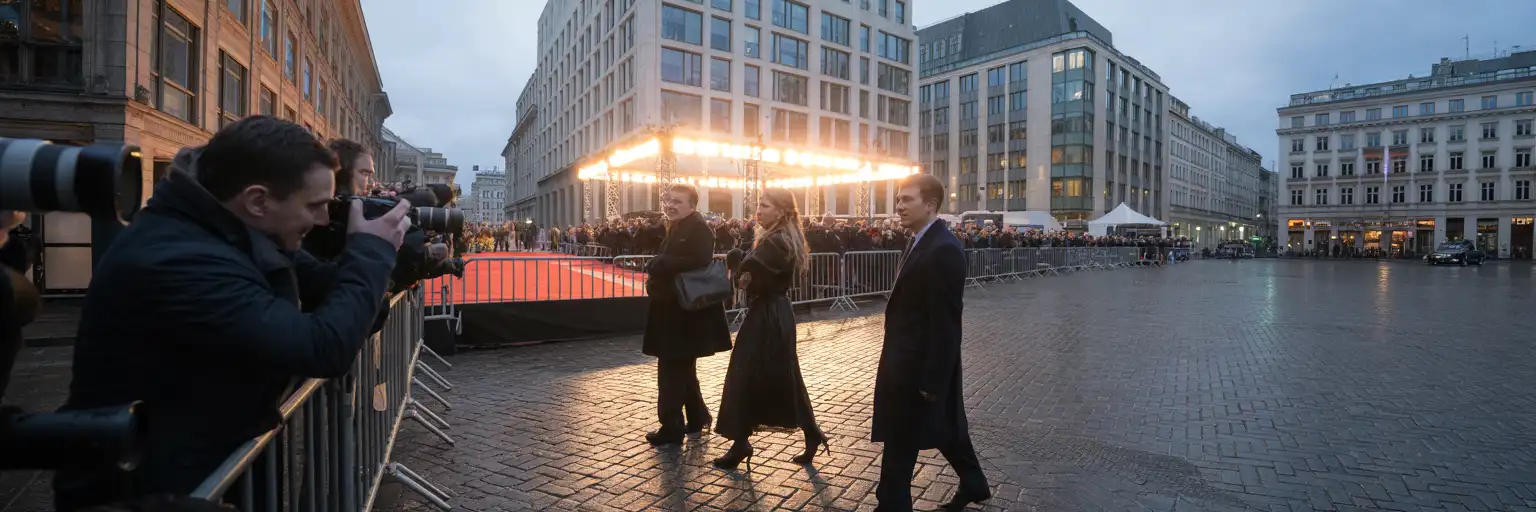
- The Berlinale Palast area around Potsdamer Platz handles some of the biggest premiere-night crowds, while nearby cinemas keep the foot traffic spread through the day.
One practical thing we’ve learned: don’t imagine one fixed base and one neat schedule. Even with a strong central hub, your day may jump from a morning screening to coffee in Mitte, then a late showing in another cinema district. That shape-shifting schedule is part of the appeal.
First-Timer Mistakes to Avoid
Here’s the honest warning: Berlinale can look compact on a map, then eat up your day in queues, winter weather, and between-screening dashes.
Don’t treat it like a single-venue event
The main hub is Potsdamer Platz, but screenings and side events can pull you outward. If you’re arriving via BER, the easiest rail pattern is usually Airport Express or regional train toward Hauptbahnhof or Potsdamer Platz connections, then U-Bahn/S-Bahn onward if needed. From the airport to Potsdamer Platz, expect about 35 to 45 minutes by train, or around 40 to 60 minutes by taxi depending on traffic. Typical taxi or rideshare fares are often in the EUR 45 to EUR 65 range.
Pick your hotel by late-night transport, not just price
For first-timers, staying in Potsdamer Platz or southern Mitte cuts a lot of friction. If those rates jump during festival week, Schöneberg is a smart backup with solid U-Bahn links and more everyday Berlin around you. Charlottenburg also works well if you want classic cinema-going energy and easier dinners after screenings.
Know the lines before you need them
For the main festival zone, S-Bahn lines S1, S2, S25 and S26 serve Potsdamer Platz. U2 is useful for moving between central districts, and nearby bus links fill in the short hops. Berlin Central Station is only about 3 kilometers away — roughly 10 minutes by S-Bahn or taxi, or around 25 to 30 minutes on foot if you’re lightly packed and the weather behaves.
Last thing: build in buffer time. Twenty minutes between screenings can disappear fast once coat checks, queues, and winter crossings get involved.
How to Spend Your Day
So what does a good Berlinale day actually look like? Not all film, surprisingly.
Morning: screen, coffee, reset
Start near Potsdamer Platz, then slip north toward Leipziger Straße or into Mitte between screenings. If you need a quiet cultural break, the Kulturforum area works well, and the Berlin Philharmonic zone gives you a different side of the district than the red-carpet crush.
Afternoon: eat properly
For food, skip generic chains and aim for neighborhoods with character. Around Schöneberg, Winterfeldtplatz and nearby streets are good for casual lunches and bakery stops. In Kreuzberg, Markthalle Neun is worth the short detour if timing works. This is also a great week to try proper Berlin comfort food: currywurst, Königsberger Klopse, or a warming plate of Kartoffelsuppe. If you want something sweet between cinemas, grab a Berliner pastry with coffee and keep moving.
Evening: make the city part of the festival
After a screening, don’t default straight to bed. The nearby Berlin Wall Memorial gives a powerful counterpoint to all the festival glamour if you visit earlier in the day, and it’s usually calmer than Berlin’s headline sights. For something visual and open-air, East Side Gallery is best tackled in daylight; winter light can be sharp and photogenic, and weekday daytime is less crowded. We also like the Deutsche Oper Berlin angle for culture travelers staying west of the center — not because it’s part of the festival, but because it turns a film trip into a fuller arts break.
If you’re hungry late, look toward Nollendorfplatz and Schöneberg rather than hanging around the most obvious tourist corridors. Better food, less milling around, and a more local-feeling end to the night.
Staying Connected at Berlinale
At Berlinale, your phone ends up doing real work. QR tickets, seat info, venue changes, subtitle details, map checks between screenings, group messages about spare tickets, and live public transport times all matter more here than at a one-site festival.
The pinch point is usually not total lack of signal — it’s crowd load. Around premiere venues and busy foyers, Wi-Fi can feel slow or simply not worth bothering with once everyone is uploading photos and refreshing schedules at the same time. That’s especially true in the 30 minutes before major screenings and right after they end.
For most travelers, a festival-heavy Berlin stay can easily use 3 GB to 8 GB over several days if you’re relying on maps, messaging, ticket downloads, and regular photo or short-video sharing. If you’re posting a lot from red-carpet areas or tethering a laptop in cafés, plan higher.
That’s why many visitors sort data before they fly. If you want a simple option, eSIMno plans for Germany give you access through O2, T-Mobile, and Vodafone, which is handy when you’re hopping between central venues instead of staying in one building all day.
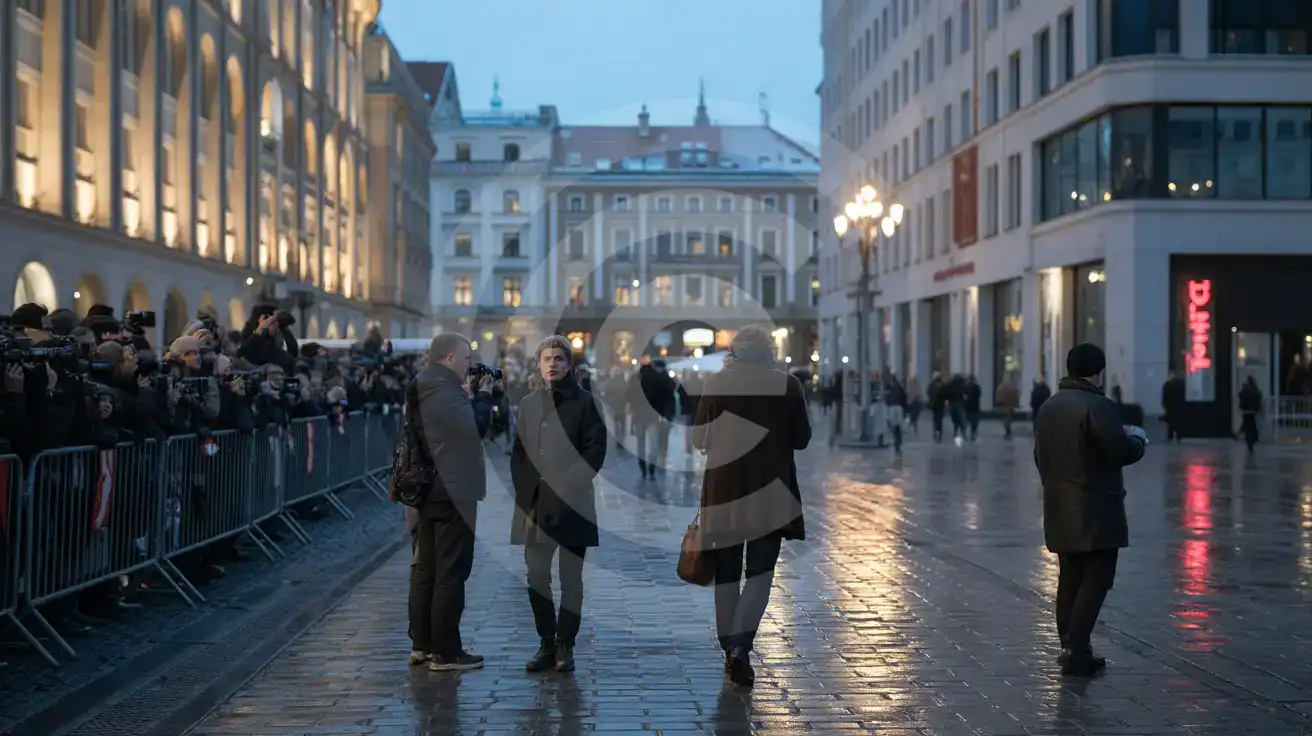
Festival Night in Central Berlin
Compare Internet Plans in Berlin
 Recommended Recommended | Local SIM / Operator | Roaming | |
|---|---|---|---|
| FEATURES | |||
| Setup time | Few minutes | Store visit + paperwork | Auto |
| No local ID needed | Online checkout | Local ID required | Use home account |
| Speed | 4G/LTE; 5G in some areas | Carrier-grade | Partner-dependent |
| Travel support | English support 24/7 | Operator shops and call centre | Home carrier hours |
| Keep home number | Dual SIM | Replaces it | Same number |
| Cost predictability | Fixed price | Bills can spike | Bill-shock risk |
| PRICING | |||
Typical pricing | See plans below | — | — |
PRICING — PICK YOUR ESIMNO PLAN
Featured eSIM plans
German Mobile

German Mobile
German Mobile
German Mobile
German Mobile
German Mobile
German Mobile
German Mobile


