

Quick Facts
- Best for
- First-time visitors who want major sights with room for spontaneous detours
- Ideal trip pace
- 3 to 5 days for a balanced Tokyo stay
- Best seasons
- Spring and autumn for comfortable walking, clear views, and park time
- Main arrival point
- Tokyo International Airport
- Key rail hub
- Tokyo Station
- eSIMno Networks
- KDDI, Softbank
Start with contrast, not just landmarks
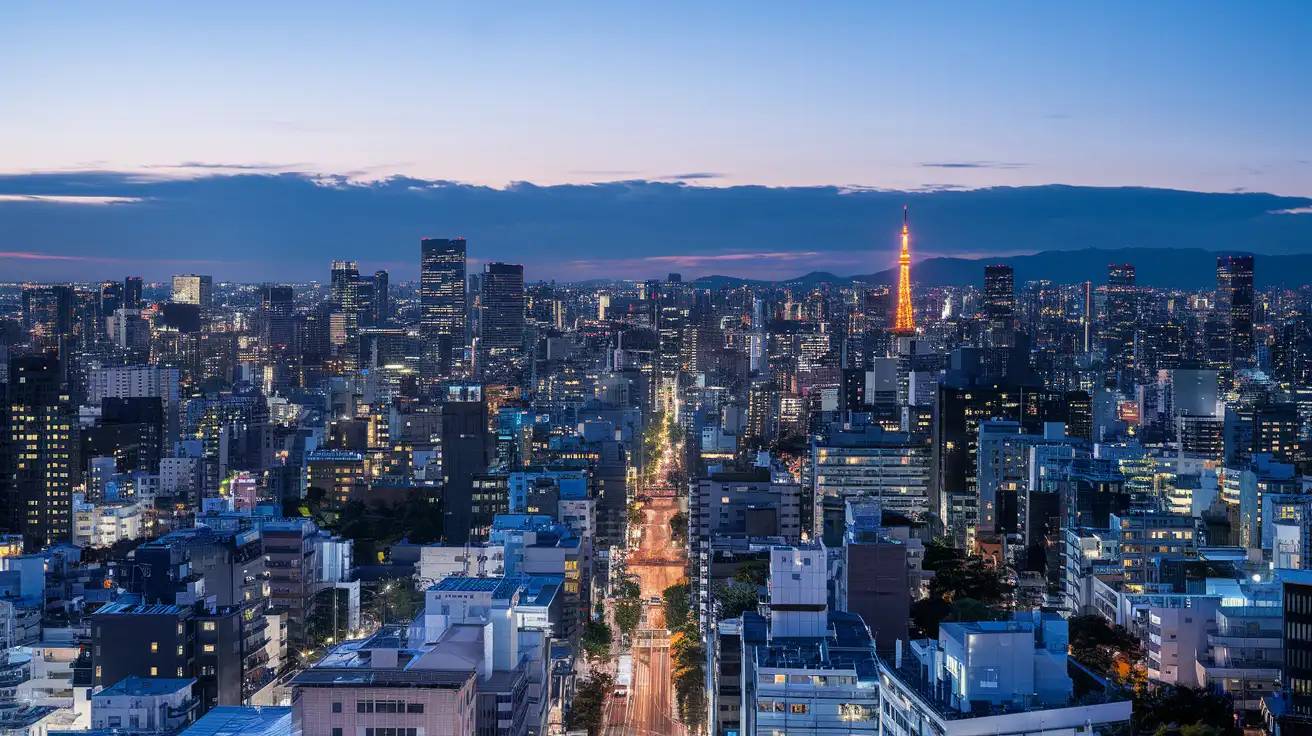
Tokyo makes more sense when you pair places that feel completely different. Start at Sensō-ji early enough to catch the temple area before it turns fully busy, then move to Tokyo Skytree for a skyline view that reminds you how enormous the city really is. Later, swap that intensity for the lawns and shaded paths of Shinjuku Gyoen National Garden or the forested calm around Meiji Jingu.
That contrast is what stays with people. I still think one of Tokyo’s most satisfying little shifts is walking out of a quiet shrine approach and, twenty minutes later, hearing station jingles and crossing signals again. The city never really asks you to choose between old and new; it keeps handing you both.
If you want a flexible setup for those changing plans, explore eSIMno plans for Tokyo before you go. It’s especially useful on days when you decide your next stop based on weather, energy, or whatever looks good from the train window.
How to Connect
- Between Sensō-ji and Tokyo Skytree
This is the kind of short hop where people often stop checking directions and just wander. Fair enough, but if you drift onto smaller streets or pause for snacks, your phone helps you rejoin the fastest route without backtracking. - After Tsukiji Outer Market, before your next train
Tsukiji can stretch longer than planned once you start tasting your way through it. Use data right after you leave to check the quickest route from the market area toward Tokyo Station or Iidabashi Station, especially if you’re trying to fit another sight into the same afternoon. - When Shibuya turns into an evening decision point
Around Shibuya Scramble Crossing, plans change fast. You might mean to head back, then decide on Roppongi Hills for night views or a late museum visit elsewhere. This is exactly the moment mobile data matters: comparing train options, checking opening hours, and choosing the least annoying transfer. - On event days across the city
If you’re in Tokyo for Japan IT Week Spring, FOODEX JAPAN, SusHi Tech Tokyo, or marathon-related events, your sightseeing windows may open unexpectedly. Reliable data lets you turn a free two hours into a real outing instead of losing half of it figuring out routes from venue to attraction.
Tips
- Station exits matter more in Tokyo than many first-time visitors expect. If your map says you’ve arrived but the street scene looks wrong, check the exit number before assuming you’re lost.
- Build one quiet stop into every busy sightseeing day. Pairing somewhere like Shibuya or Skytree with Meiji Jingu, the Imperial Palace area, or Shinjuku Gyoen keeps Tokyo from feeling like a blur.
- Carry a small coin purse or easy payment method for market snacks, temple offerings, and quick purchases. Tokyo is modern, but the most charming little stops still work best when you can pay fast and keep moving.
Temple Morning in Asakusa
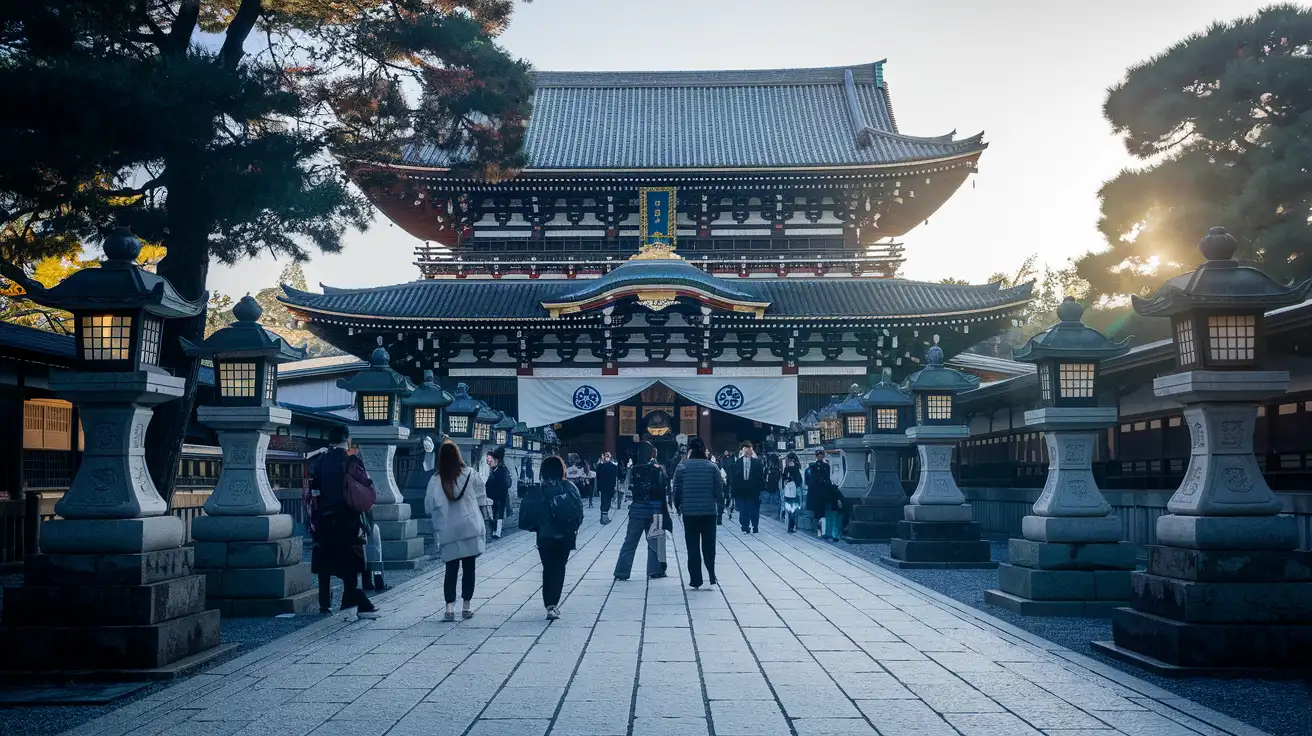
Where Tokyo feels local even when it’s famous
Tsukiji Outer Market is still worth your time, not because it’s secret, but because it shows how Tokyo eats: quickly, seriously, and with very high standards. Go hungry, but not with a rigid list. The best stop is often the one with a short queue and something you didn’t plan to order.
Ueno Park works the same way. Yes, there are headline sights like the Tokyo National Museum, but the area also rewards slower wandering. Families, students, museum-goers, and commuters all overlap there, and that mix feels very Tokyo.
If you want a less obvious slice of the city, spend time around the university districts. Streets near The University of Tokyo and Waseda University can feel refreshingly unperformed compared with the big visitor zones. Cafes are calmer, bookshops linger, and the pace softens just enough to notice details.
Skyline and Scale
Compare Internet Plans in Tokyo
 Recommended Recommended | Local SIM / Operator | Roaming | |
|---|---|---|---|
| FEATURES | |||
| Setup time | Few minutes | Store visit + paperwork | Auto |
| No local ID needed | Online checkout | Local ID required | Use home account |
| Speed | 4G/LTE; 5G in some areas | Carrier-grade | Partner-dependent |
| Travel support | English support 24/7 | Operator shops and call centre | Home carrier hours |
| Keep home number | Dual SIM | Replaces it | Same number |
| Cost predictability | Fixed price | Bills can spike | Bill-shock risk |
| PRICING | |||
Typical pricing | See plans below | — | — |
PRICING — PICK YOUR ESIMNO PLAN
Featured eSIM plans
Japan Mobile

Japan Mobile
Japan Mobile
Japan Mobile
Japan Mobile
Japan Mobile
Japan Mobile
Japan Mobile


