

Quick Facts
About the Space Needle
The Space Needle began as a napkin sketch. Edward E. Carlson, a Seattle hotel executive planning the Century 21 Exposition, doodled an idea for a tethered balloon-like restaurant during a 1959 trip to Stuttgart, where he'd seen a broadcast tower with an observation deck. That sketch evolved through dozens of iterations before architect John Graham Jr. — whose firm had designed the Northgate Mall, America's first regional shopping center — delivered the final hourglass silhouette. Engineers Victor Steinbrueck and John Ridley solved the structural challenges of building a 605-foot tower capable of withstanding 200 mph winds and significant seismic activity in one of the most earthquake-prone regions of the continental United States.
The foundation tells the engineering story. Workers excavated 30 feet below ground level, then poured a concrete-and-steel base containing nearly as much material as the visible tower above it. The entire structure weighs roughly 9,550 tons, with the center of gravity sitting just 5 feet above ground level — meaning the Space Needle is essentially a giant weighted roly-poly that would right itself after almost any conceivable disaster. When it opened on April 21, 1962, it stood as the tallest building west of the Mississippi River, a title it held only briefly but that cemented its place in the American imagination.
The original color scheme — "Galaxy Gold" on the core and "Astronaut White" on the halo — reflected the fair's space-age theme. The Needle has been repainted several times since, most notably in 2012 when it received a 50th-anniversary "Re-Orange" treatment before returning to white. The tripod legs, saucer-shaped top house, and slender waist create a profile instantly recognizable worldwide, appearing in everything from the opening credits of "Frasier" to countless Pacific Northwest promotional materials.
Seattle designated the Space Needle an official city landmark in 1999. Unlike UNESCO World Heritage Sites, this designation protects the structure's architectural integrity without restricting private ownership. The Needle remains in the hands of the Wright family, descendants of one of the original investors, who have continuously reinvested in upgrades culminating in the Century Project renovation completed in 2018 — the most significant transformation since opening day.
Highlights & Must-See
The Observation Deck (Level 520)
The main upper viewing level sits approximately 520 feet above Seattle, offering the definitive 360-degree panorama. On clear days — which happen more often than Seattle's rainy reputation suggests, especially from late June through early October — you can see Mount Rainier to the southeast, Mount Baker to the north, the Olympic Mountains across Puget Sound to the west, and the Cascades forming the eastern horizon. The renovated deck features floor-to-ceiling glass walls that eliminated the old chicken-wire barriers, creating unobstructed views for photography. The open-air section exposes you to Seattle's famously fickle weather, so expect wind even on calm days — the observation level sits high enough to catch breezes that don't exist at street level.
The Skyrisers
These inward-tilting glass bench seats along the Observation Deck's perimeter let you lean backward and look straight down the tower's exterior. It's a controlled thrill — you're not in danger — but the visual sensation of reclining over a 500-foot drop creates the kind of Instagram moment the Century Project renovation was designed to deliver. The Skyrisers work best for visitors comfortable with heights who want more than just standing at a railing.
The Loupe (Level 500)
One level below the Observation Deck, The Loupe is the world's first and only revolving glass floor on an observation tower. The rotating disk completes a full revolution in approximately 45 minutes, carrying you in a slow circle while you look straight down through transparent panels at the Space Needle's iconic legs, the Seattle Center grounds, and (if you're lucky) tiny pedestrians 500 feet below. The Loupe level tends to draw smaller crowds than the upper deck, making it a better choice for visitors who want to linger without jostling for position at the windows.
Atmos Wine Lounge (Level 500)
Adjacent to The Loupe, this small bar serves Pacific Northwest wines by the glass alongside light bites. It's not a full restaurant — don't arrive expecting dinner — but it offers a civilized pause where you can sit with a view over Elliott Bay rather than standing in observation queues. The wine selection emphasizes Washington State producers, which makes sense given that the state ranks second in American wine production behind only California.
The Exterior Architecture
Sometimes the best way to appreciate the Space Needle is from the ground. The hourglass shaft, tripod legs, and saucer-shaped halo reveal their proportions most clearly from the lawn surrounding the base or from the International Fountain plaza nearby. The structure's profile was specifically designed to be recognizable from any angle — a 1962 branding insight that predated modern logo theory. The pedestrian plaza beneath the tower includes interpretive signage about the Century 21 Exposition, with historical photographs showing the fair in full swing.
Views of Seattle Center from Above
The Observation Deck provides an aerial orientation to Seattle Center's 74-acre campus that's impossible to grasp at ground level. Looking down, you can identify Frank Gehry's swooping metallic Museum of Pop Culture (MoPOP), the clustered glass and gardens of Chihuly Garden and Glass, the curved roof of Climate Pledge Arena, and the white arches of the Pacific Science Center reaching skyward like concrete spider legs. This bird's-eye preview helps you plan the rest of your Seattle Center day more efficiently than any map.
Sunset and Night Views
The Space Needle transforms as daylight fades. The sunset slot — typically the most requested and earliest to book out — catches the Olympic Mountains silhouetted against orange and pink western skies while downtown Seattle's towers begin switching on their evening lights. After full darkness, the city grid below becomes a glittering matrix, Mount Rainier disappears into blackness, and the Needle's own exterior lighting reflects off the glass walls. The Day & Night ticket specifically exists for visitors who want both experiences without paying twice.
Visit Strategy
Ticket Strategy
The Space Needle uses timed-entry ticketing exclusively. You cannot buy a ticket and show up whenever you want — you select a specific entry window during purchase, and that's when you're admitted. Standard adult tickets run approximately $35–$45 depending on time slot, with premium pricing for sunset hours. Youth tickets (ages 5–12) and senior tickets (65+) receive modest discounts. Children under 4 enter free.
Three ticket types matter: Standard admission grants one entry during your selected window. The Day & Night ticket allows two visits within 24 hours, letting you experience both daylight panoramas and nighttime city lights without paying separately. The C2 combo ticket bundles Space Needle admission with Chihuly Garden and Glass next door at a discount — useful if you're planning both, which most first-time Seattle visitors should.
Book sunset slots several days in advance during summer, especially for weekend visits. Weekday mornings and late evenings (after 9 PM) face lighter demand and often remain available day-of.
Best Time to Visit
Mid-morning on weekdays — roughly 10:00 to 11:00 AM — delivers the best combination of manageable crowds, good photography light, and cleared morning fog. Seattle's famous gray skies matter less than you'd think; even overcast days offer strong visibility for downtown and Elliott Bay views. What you lose on gray days is Mount Rainier, which requires genuinely clear conditions to appear.
Check visibility before booking. Several Seattle webcams and weather services report Rainier visibility specifically. If seeing the mountain matters to you, wait for a day when it's confirmed visible before committing to your ticket time.
Sunset is spectacular but crowded. If you choose this slot, arrive early for your entry window and head directly to the Observation Deck rather than lingering on The Loupe level first.
How Long to Spend
Most visitors spend 45 minutes to 90 minutes inside the Space Needle. That's enough time to ride the elevator up, complete a full circuit of the Observation Deck, watch a portion of The Loupe's rotation, and possibly grab a drink at Atmos. Rushed visitors can see everything essential in 30 minutes. Photography enthusiasts, especially those waiting for specific light conditions, may want 2 hours.
Photography Rules
Personal photography is allowed and encouraged throughout the Space Needle, including on The Loupe's glass floor and the Observation Deck's Skyrisers. The renovated glass walls dramatically improved photo opportunities compared to the old chicken-wire barriers.
Tripods and selfie sticks are generally prohibited without advance arrangement. Drones are absolutely forbidden — the Space Needle sits within restricted airspace, and the security team takes this seriously. Professional shoots require permits and advance coordination with management.
What to Wear
The open-air Observation Deck exposes you to wind and temperatures that can run 10–15 degrees Fahrenheit cooler than street level. Even on warm summer days, bring a light jacket. In winter or on rainy days, expect the upper deck to be genuinely cold and occasionally wet. There's no formal dress code — this is Seattle, where outdoor gear is everyday attire — but closed-toe shoes make the Skyliner experience more comfortable.
Best Time to Visit & Photographer's Guide
Month-by-Month Crowd & Weather
June through August (Peak Season): Seattle's summer delivers the clearest skies, warmest temperatures (highs in the mid-70s Fahrenheit), and longest days — sunset doesn't happen until after 9 PM in late June. This is also peak tourist season, meaning the Space Needle sees its highest crowds and sunset tickets sell out days in advance. Mount Rainier visibility peaks during these months, appearing on roughly 60–70% of days.
September and October (Shoulder Season): Crowds thin noticeably after Labor Day, while weather often remains excellent through mid-October. September particularly offers a sweet spot: summer-quality visibility with school-year-reduced visitor counts. Fall colors begin appearing in the city's parks by late October, adding visual interest to views of Capitol Hill and the surrounding neighborhoods.
November through February (Off-Season): Seattle's gray, drizzly reputation earns its keep during these months. Mount Rainier disappears behind clouds for weeks at a time. The upside: dramatically reduced crowds, easier ticket availability, and the city lights of the winter holiday season creating photogenic nightscapes. Expect shorter hours (closing around 9–10 PM) and occasionally fierce winds on the Observation Deck.
March through May (Spring Shoulder): Variable weather — some days crystal clear, others persistently overcast. Cherry blossoms at the University of Washington peak in late March, and the combination of Space Needle views with spring blooms visible across the city creates compelling photography opportunities. Crowds build steadily as summer approaches.
Best Time of Day
Sunrise (6:00–7:30 AM, summer): The Space Needle doesn't open early enough for true sunrise access, but early-morning slots (when available starting at 9:00 AM) catch soft light on Mount Rainier and minimal crowds. The mountain's snow catches pink alpenglow before the Needle even opens, so photographers prioritize external viewpoints for true dawn shots.
Golden Hour (varies seasonally): The hour before sunset paints warm light across downtown Seattle and the Olympic Mountains. This is the premium photography window from inside the tower. In summer, this means 7:30–8:30 PM entry slots; in winter, 3:30–4:30 PM.
Blue Hour (20–40 minutes after sunset): The sky retains deep blue color while city lights emerge. This narrow window creates the most dramatic interior shots from the Observation Deck, with the city glittering below and the sky still contributing color rather than pure blackness.
Night (after full dark): Pure cityscape photography territory. The Needle's glass walls create some reflection challenges at night, so position yourself carefully to minimize interior light bouncing off the windows. Late slots (after 9 PM) thin crowds significantly.
Best Photo Spots
Kerry Park (Highland Drive): The definitive postcard angle. This small hilltop park in the Queen Anne neighborhood frames the Space Needle with downtown Seattle behind it and Mount Rainier floating on the horizon. Distance: approximately 0.8 miles from the Needle's base, requiring a steep uphill walk or short rideshare.
Olympic Sculpture Park Waterfront: Captures the Space Needle rising above Seattle Center with Elliott Bay in the foreground. The combination of water, public art installations, and the tower creates layered compositions. Distance: about a 15-minute walk north along the waterfront.
Gas Works Park: From across Lake Union, this former gasification plant turned park offers the Space Needle as part of the full Seattle skyline, with the rusted industrial structures adding foreground interest. Distance: roughly 3 miles north, best reached by car or rideshare.
Dr. José Rizal Park (Beacon Hill): An underused viewpoint offering the Needle against the downtown core with the waterfront and stadiums visible. The elevated angle provides a perspective most tourists never see. Distance: about 2.5 miles south.
The International Fountain (Seattle Center): For close-range shots of the tower itself, the fountain plaza offers clean sightlines to the full structure without obstruction. The fountain's water jets add kinetic foreground interest during operating hours.
Drone & Tripod Rules
Drones are prohibited. The Space Needle occupies restricted airspace, and Seattle Center security actively monitors for unauthorized drone activity. Violations risk FAA penalties and confiscation.
Tripods are not permitted inside the Space Needle without advance authorization. Handheld photography with stabilization (modern smartphones and mirrorless cameras handle this well) is the practical approach. For photographers who absolutely need tripod stability, the external viewpoints — Kerry Park, Gas Works Park, Olympic Sculpture Park — allow full tripod use on public land.
Hidden Sub-Spots Most Tourists Miss
The elevator ride itself: The glass-walled elevators on the exterior of the tower provide unique ascending views that most visitors don't photograph because they're busy anticipating the top. The 41-second ride offers dynamic perspectives of Seattle Center expanding below.
The ground-level interpretive plaza: Beneath the Needle's tripod legs, historical signage and photographs document the 1962 World's Fair. Most visitors sprint past en route to the elevators. The structural engineering details visible from directly below — looking up through the open legs at the halo above — reward patient observation.
The northwest corner of The Loupe: While crowds cluster at the southern views toward downtown, the northwest section offers quieter views across Queen Anne Hill's residential neighborhoods and toward the Ballard Bridge. The rotating floor eventually brings everything into view, but starting here means less jostling.
Atmos during non-sunset hours: The wine lounge empties out by late evening, after the sunset crowd has departed but before closing. A quiet glass of Washington State wine with Elliott Bay views — and minimal company — represents the most civilized Space Needle experience available.
Nearby Attractions & Logistics
Chihuly Garden and Glass
Immediately adjacent to the Space Needle — less than a 2-minute walk — this exhibition showcases large-scale blown-glass installations by Tacoma-born artist Dale Chihuly. The Glasshouse, a 40-foot-tall steel-and-glass structure, houses a 100-foot-long suspended sculpture in red, orange, and yellow that changes character as daylight shifts throughout the day. The outdoor garden integrates glass forms with live Pacific Northwest plantings, creating surreal juxtapositions of organic and manufactured. The C2 combo ticket bundles both attractions at a discount, and the proximity makes visiting both on the same morning entirely practical.
Museum of Pop Culture (MoPOP)
Frank Gehry's swooping metallic building — looking variously like a smashed guitar or a melted spaceship depending on your angle — sits about a 3-minute walk from the Space Needle base. Inside, permanent exhibits cover Jimi Hendrix (a Seattle native), Nirvana, the history of science fiction in film and literature, and rotating special exhibitions on horror, fantasy, and gaming culture. Plan 2–3 hours if music or genre entertainment interests you.
Pacific Science Center
Recognizable by its white Gothic arches — designed by Minoru Yamasaki for the 1962 World's Fair, the same architect who later designed the original World Trade Center — the Pacific Science Center offers hands-on science exhibits, a tropical butterfly house, an IMAX theater, and a planetarium. The walk from the Space Needle takes about 5 minutes. Particularly worthwhile for families with children.
Climate Pledge Arena
The renovated Seattle Center arena, home to the NHL's Seattle Kraken and WNBA's Seattle Storm, sits within the campus grounds. Event nights transform the surrounding area, adding crowds and energy but also complicating parking and transit. Check the arena schedule before your Space Needle visit if you prefer avoiding event-day congestion.
International Fountain
This massive bowl-shaped fountain between the Space Needle and Pacific Science Center runs synchronized water-and-music shows on the hour during operating months (typically spring through fall). The surrounding lawn offers a pleasant rest spot between attractions and strong photography angles of the Needle against the sky.
Getting to Seattle Center
From Seattle-Tacoma International Airport, take the Link Light Rail 1 Line to Westlake Station (approximately 40 minutes), then transfer to the Seattle Center Monorail for a 2-minute ride directly to the campus. Total transit time runs about 50–60 minutes including connections.
From Pike Place Market, walk north along the waterfront and up Broad Street — roughly 20 minutes at a comfortable pace, mostly flat with one moderate uphill section.
King County Metro buses 1, 2, 8, and 13 stop within blocks of Seattle Center. Rideshare drop-offs work smoothly at the corner of 5th Avenue N and Broad Street.
Food Options
The Seattle Center Armory houses a food hall with diverse quick-service options — useful for lunch between attractions. For sit-down meals, the Lower Queen Anne neighborhood immediately surrounding Seattle Center offers Thai, Vietnamese, pizza, and pub food within a 5–10 minute walk. The Space Needle's own Atmos Wine Lounge serves light bites but isn't a full meal destination.
Why Data Matters at the Space Needle
The Space Needle experience runs on digital infrastructure from the moment you book. Timed-entry tickets arrive as mobile passes, QR codes that need to load when you reach the entrance — not the moment to discover your international roaming failed or the public WiFi collapsed under tourist load. Visibility apps and webcams that confirm whether Mount Rainier will actually appear require reliable data access to check before you commit to a ticket time. Navigation from Seattle-Tacoma International Airport through the Link Light Rail to the Monorail involves multiple transit apps displaying real-time arrivals.
Once you're at the top, the urge to share those Elliott Bay panoramas, Loupe glass-floor shots, or sunset Observation Deck moments hits immediately. That means photo uploads, real-time messaging, and the kind of steady data connection that tourist-destination WiFi rarely delivers reliably. With an eSIMno plan connecting through AT&T or T-Mobile, your phone works on the same networks Seattle locals use — no SIM card hunting at the airport, no configuration headaches, just functional data the moment you land and throughout your Seattle Center exploration.
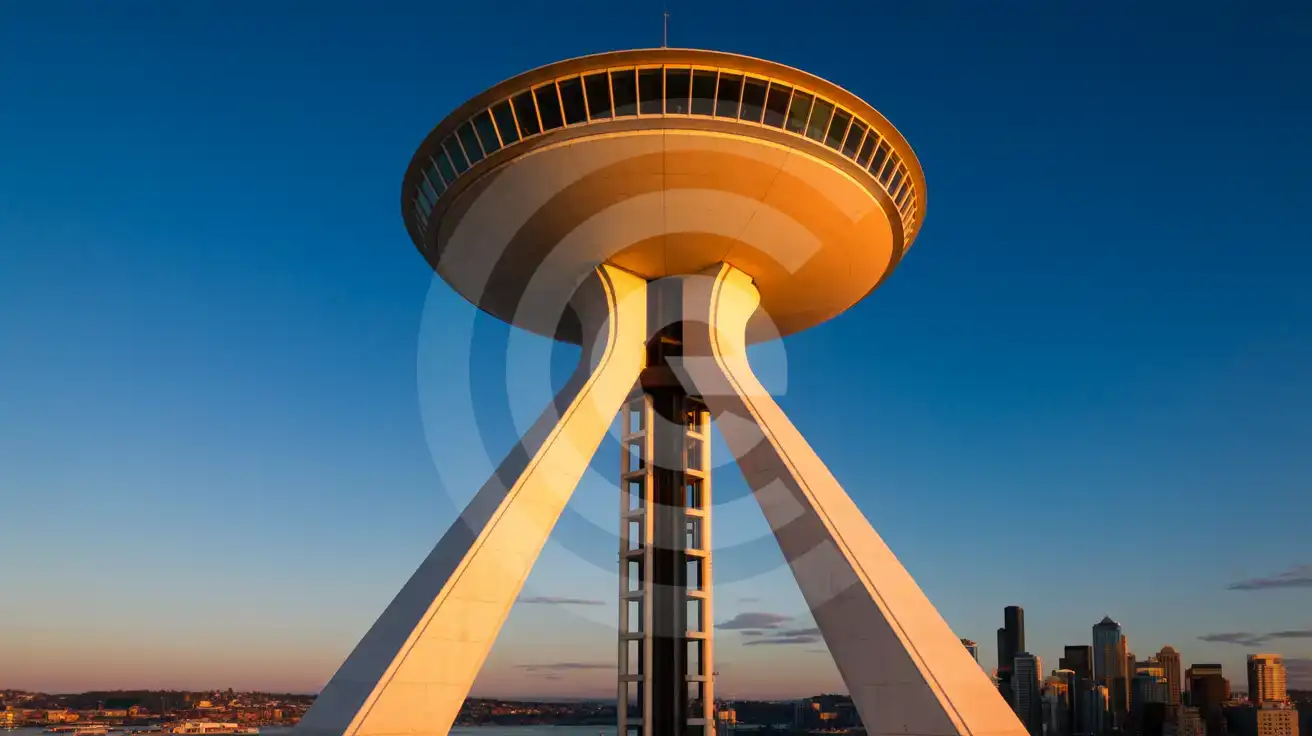
The Space Needle at Golden Hour
Compare WiFi Options at Space Needle
 Recommended Recommended | Local SIM / Operator | Roaming | |
|---|---|---|---|
| FEATURES | |||
| Setup time | Few minutes | Store visit + paperwork | Auto |
| No local ID needed | Online checkout | Local ID required | Use home account |
| Speed | 4G/LTE; 5G in some areas | Carrier-grade | Partner-dependent |
| Travel support | English support 24/7 | Operator shops and call centre | Home carrier hours |
| Keep home number | Dual SIM | Replaces it | Same number |
| Cost predictability | Fixed price | Bills can spike | Bill-shock risk |
| PRICING | |||
Typical pricing | See plans below | — | — |
PRICING — PICK YOUR ESIMNO PLAN
Featured eSIM plans
American Mobile

American Mobile
American Mobile
American Mobile
American Mobile
American Mobile


