

Quick Facts
- Host city
- Barcelona, Spain
- Likely venue
- Fira Barcelona Gran Via, L'Hospitalet de Llobregat
- 2026 edition starts
- 3 November 2026
- Event length
- Usually 3 days
- Founded
- 2011
- Typical hall hours
- Around 09:00-18:00, varies by day
- Registration opening
- Often from about 08:00 on opening morning
- Typical attendance
- About 20,000-25,000+ delegates, approximate
- Ticket range
- Approx. EUR 60-100 for expo-only day access; higher for congress passes
- From Barcelona-El Prat Airport
- About 12-15 km; 15-20 min by taxi, 35-50 min by metro/bus
- From Plaça de Catalunya
- About 6-7 km; 20-30 min by metro, 15-25 min by taxi
- Nearest metro stop
- Europa | Fira on L8; Fira on L9 Sud nearby
- Taxi fare
- Roughly EUR 25-35 from the airport; EUR 12-20 from central Barcelona
- eSIMno Networks
- Movistar, Orange
Why This Event Pulls in Urban-Tech Travelers
This isn't a generic trade show with a few smart-city buzzwords sprinkled on top. Smart City Expo World Congress has become one of the better-known annual gatherings for urban innovation since it began in 2011, and the draw is practical: people come to see how cities are actually handling mobility, digital governance, sustainability, energy use, and public-private partnerships in the real world.
The crowd tells you a lot. You'll run into city officials comparing policy models, urban planners looking for deployable ideas, mobility firms showing real systems rather than shiny concept slides, and startups trying to get in front of municipal buyers and investors. Sustainability leaders and infrastructure people are here too, which gives the event a more grounded, implementation-heavy feel than many broader tech conferences.
That mix is the reason many delegates travel for it. The value isn't just what happens on stage; it's the cross-sector conversation in the corridors, coffee lines, side meetings, and after-hours dinners. Barcelona suits that mood well. Fira Gran Via is big enough to handle a serious international crowd, and the event usually runs across 3 full days, with hall activity concentrated roughly between 09:00 and 18:00. Expect your schedule to fill quickly, and expect plans to change mid-day. They always do.
Getting There and Around: Airport, Metro Lines, and Where to Stay
For this event, think less about beachside Barcelona and more about efficient west-side logistics. The usual arrival point is Josep Tarradellas Barcelona-El Prat Airport. From the airport to Fira Gran Via, a taxi is the easiest move if you're carrying luggage or heading straight to badge pickup: usually 15 to 20 minutes, around EUR 25 to 35 depending on traffic and terminal. Public transport works too. Metro line L9 Sud connects the airport zone with the Fira area, and depending on your terminal and walking time inside stations, the trip usually lands in the 35 to 50 minute range.
If you're coming from the city centre, Plaça de Catalunya to the venue is typically 20 to 30 minutes by metro with a change, or around 15 to 25 minutes by taxi outside rush hour. Barcelona Sants is also useful if you're arriving by rail from Madrid or elsewhere in Spain; from Sants, you're usually 15 to 20 minutes from the venue by metro or taxi.
The venue area most commonly used for this congress is Fira Barcelona Gran Via in L'Hospitalet de Llobregat. The transport names worth saving are Europa | Fira on L8, plus nearby Fira and Europa/Fira connections on L9 Sud and local rail links. Buses also serve the district, but for visitors with tight meeting schedules, metro and taxi are usually faster to judge.
Where should you stay? For shortest commute times, look at L'Hospitalet / Gran Via itself. It's the obvious business-trip base and can put you within a 5 to 15 minute ride, sometimes even walking distance. Plaça d'Espanya is another smart option if you want easier evening choices without a long morning run; it's close to Montjuïc and usually 10 to 15 minutes to the venue. If you prefer train access and a broader hotel selection, Sants works well too. For this specific congress, we'd avoid staying too far northeast unless you really want a leisure-first trip.
One practical note: morning arrivals bunch up hard between roughly 08:00 and 09:30. If registration opens around 08:00, getting there before the peak saves time. And if you need live line updates, ride options, or one more route check before you leave the hotel, it's worth having data ready from the start; you can explore eSIMno plans for Barcelona before the trip and skip sorting it out after landing.
What to Do Beyond the Event: Smarter Picks Near the Venue
Let's keep this focused on the kind of free time this congress usually leaves you: a late lunch gap, a pre-dinner hour, or one free evening. Near the venue, Plaça d'Espanya is the most useful pivot point. From there, head uphill into Poble Espanyol if you want an easy post-event wander that doesn't require crossing the whole city. It stays manageable as an evening plan, and it's far more relaxed than central tourist crush zones.
If you've got 90 minutes before dinner, Fundació Joan Miró on Montjuïc is a better fit for this audience than a rushed city-centre landmark sprint. The collection and the setting both reward a slower pace, and the hill gives you some breathing room after a day of dense panel sessions and expo halls.
For one more nearby option, the Museu Nacional d'Art de Catalunya area works beautifully around sunset. Even if you don't do the full museum visit, the steps and viewpoints around Montjuïc give you one of the easiest wide-angle city looks without turning your schedule into a half-day excursion.
Food-wise, stay practical. In and around Poble-sec and the lower Montjuïc side, look for tapas stretches on Carrer de Blai, where quick pintxos work well between networking and dinner. For something more Catalan, order pa amb tomàquet, croquetes, botifarra, or a rice dish if you're sitting down properly. If you're meeting clients and want a stronger local atmosphere without going too formal, the restaurant cluster around Plaça d'Espanya and toward Hostafrancs is a solid call. Short taxi ride, low friction, no sightseeing detour required.
Don't leave Barcelona for this event without carving out at least one Montjuïc-side hour. It suits the congress mood: infrastructure, urban views, public space, and a little perspective after a day spent talking about how cities should work.
Staying Connected During Smart City Expo World Congress
Here's the slightly ironic bit: at a giant city-tech event, connectivity can still get patchy once thousands of people hit the halls at the same time. Venue WiFi may be fine for email early in the day, then struggle once everyone starts uploading deck files, opening event apps, scanning QR badges, and sending last-minute location pins.
That's why mobile data matters more here than at a simpler expo. You'll likely need it for registration emails, digital tickets, hall maps, agenda changes, exhibitor lookups, meeting confirmations, ride-hailing after 18:00, and group chats when everyone leaves different sessions at once. Large venues like Fira Gran Via can also be surprisingly time-consuming to cross, so if a contact says “meet by the south access in 8 minutes,” your phone needs to work immediately, not after a WiFi reconnect.
Barcelona itself is easy to navigate, but event-hour pressure changes things. A missed metro connection at Europa | Fira, one delayed taxi, or one message you don't receive can cost you a meeting. We usually tell business travelers to treat data here like part of the badge kit. If you want a simple setup before wheels-down, explore eSIMno plans for Spain so your maps, WhatsApp, mail, and transport apps are already live on arrival.
And yes, photo sharing matters too. This congress crowd actually does send booth snaps, whiteboard photos, and presentation takeaways around in real time. If you're staying near Gran Via or Plaça d'Espanya and moving between dinners, hotels, and side events, reliable mobile data is what keeps the day feeling manageable rather than messy.
How to Stay Online Without Losing Time
- Before the first hall morning
Have your data ready before 08:00 registration time. Opening queues move faster when your confirmation email, QR code, and venue map load instantly outside the entrance instead of relying on crowded public WiFi. - Use mobile data for moving between meetings
Fira Gran Via is large, and this congress often means back-to-back appointments across different sections. Keep the event app, messaging, and map links on mobile data so a weak WiFi handoff doesn't make you late. - Switch to data again after 18:00
When the halls empty, thousands of people order rides and check metro routes at once. That's the exact moment you want your phone working smoothly for taxi apps, L9 Sud updates, and dinner-location pins in Plaça d'Espanya or Poble-sec.
A Few Things Worth Saving to Your Phone
- Aim to arrive at the venue 30 to 45 minutes before your first session on day one; registration and security can stack up quickly after 08:30.
- If you're staying near Sants or Plaça d'Espanya, compare metro and taxi each morning. A 12-minute taxi can beat a 25-minute public transport run if you've got an early meeting.
- Pack a backup battery. Between agenda checks, messaging, QR scans, hotspot use, and photo sharing, long expo days can drain your phone before the evening networking even starts.
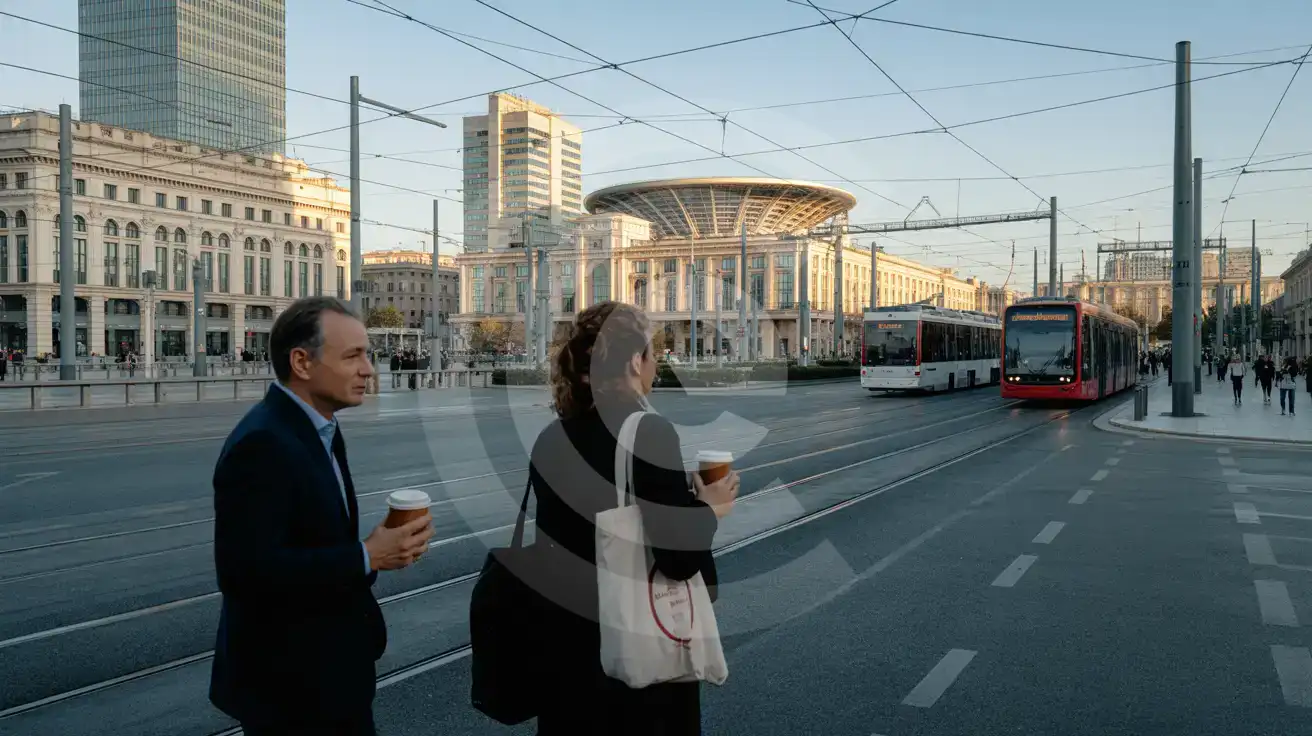
The Fira Gran Via Business Corridor
Compare Internet Plans in Barcelona
 Recommended Recommended | Local SIM / Operator | Roaming | |
|---|---|---|---|
| FEATURES | |||
| Setup time | Few minutes | Store visit + paperwork | Auto |
| No local ID needed | Online checkout | Local ID required | Use home account |
| Speed | 4G/LTE; 5G in some areas | Carrier-grade | Partner-dependent |
| Travel support | English support 24/7 | Operator shops and call centre | Home carrier hours |
| Keep home number | Dual SIM | Replaces it | Same number |
| Cost predictability | Fixed price | Bills can spike | Bill-shock risk |
| PRICING | |||
Typical pricing | See plans below | — | — |
PRICING — PICK YOUR ESIMNO PLAN
Destination overview
Frequently Asked Questions
Featured eSIM plans
Spain Mobile

Spain Mobile
Spain Mobile
Spain Mobile
Spain Mobile
Spain Mobile
Spain Mobile
Spain Mobile