
Quick Facts
- Address
- 200 Santa Monica Pier, Santa Monica, CA 90401
- Pier Deck Hours
- Open 24 hours, year-round
- Pacific Park Hours
- 11 AM–11 PM (summer weekends), 11 AM–7 PM (winter weekdays)
- Admission
- Pier deck free; Pacific Park rides $5–10 each or unlimited wristband ~$35–50
- Metro Station
- Downtown Santa Monica (E Line), 7-minute walk
- Parking
- $6–20/day at Pier Deck Lots and Beach Lots
- Official Website
- santamonicapier.org
- eSIMno Networks
- AT&T, T-Mobile, Verizon
About Santa Monica Pier
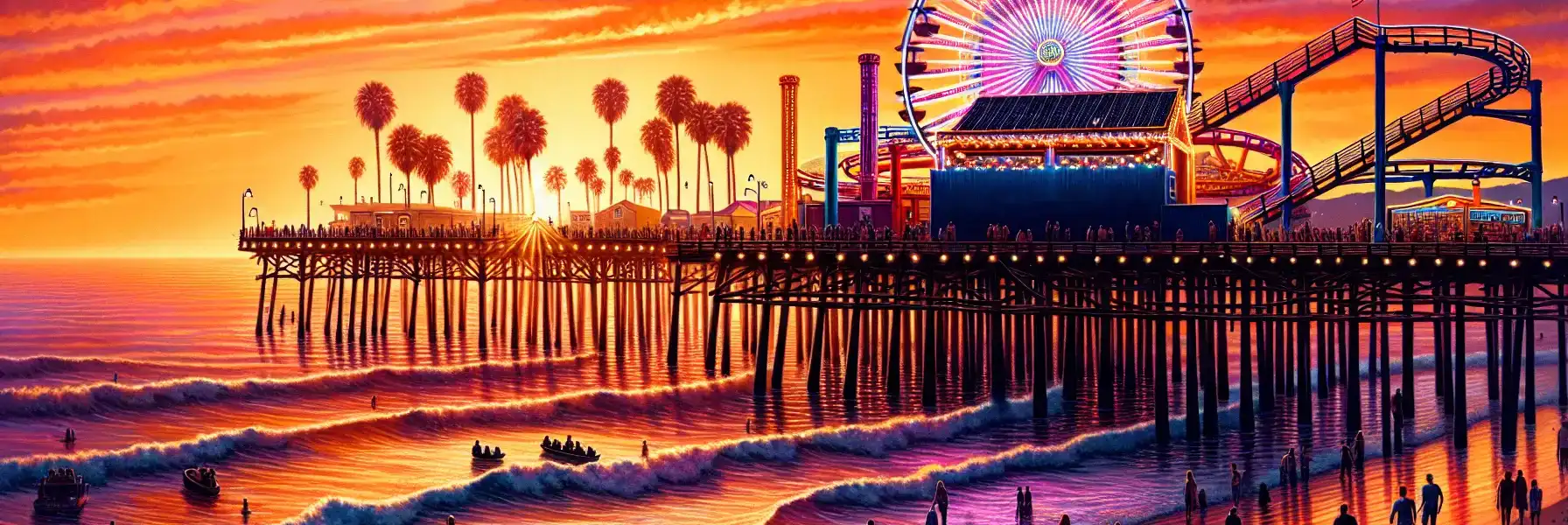
Santa Monica Pier isn't one structure but two, joined so seamlessly that most visitors never realize they're walking across a century of separate construction. The Municipal Pier opened on September 9, 1909, built primarily to carry sewage pipes beyond the surf line — a practical origin that belies its current romantic reputation. Seven years later, in 1916, the adjacent Pleasure Pier (originally called the Newcomb Pier) added the amusement facilities that would define the site's identity for the next century.
Together, these conjoined piers stretch approximately 1,600 feet over Santa Monica Bay, creating a broad wooden deck that serves as one of the most recognizable landmarks on the California coast. The City of Santa Monica owns the structure, while the nonprofit Santa Monica Pier Corporation programs the free public events that draw locals and visitors alike — the summer concert series, the holiday celebrations, the weekend performances that transform the deck into an impromptu venue.
Route 66 Western Terminus
A weathered sign near the pier entrance reads 'Santa Monica 66 — End of the Trail,' marking the spot where the legendary Mother Road meets the Pacific Ocean. Route 66 once stretched 2,448 miles from Chicago to this exact point, carrying Dust Bowl migrants westward and later becoming the quintessential American road trip. The terminus designation came officially in 1936, and though the highway was decommissioned in 1985 after Interstate 40 rendered it obsolete, the symbolism endures. Travelers still photograph themselves beside that sign, completing a journey their great-grandparents might have made in Model Ts.
The Pacific Wheel and Modern Identity
The pier's contemporary signature is the Pacific Wheel, a 130-foot Ferris wheel that has become one of the most photographed structures in Los Angeles County. What makes it distinctive isn't just height but technology: 174,000 LED lights powered by solar panels create elaborate light shows visible for miles along the coastline. The wheel went solar in 2008, making it the world's first solar-powered Ferris wheel — a fitting evolution for environmentally conscious California.
Pacific Park itself opened in its current form in 1996, operated by Santa Monica Amusements as a private concession on the Pleasure Pier section. The 2-acre footprint contains 12 rides, including the West Coaster steel roller coaster that dips and curves over the ocean, the Sea Dragon swinging ship, and the Pacific Plunge drop tower. It's modest by Six Flags standards but extraordinary by urban beachfront standards — you're riding a coaster with the Pacific stretching to the horizon.
Hollywood's Favorite Pier
The pier's visual appeal has made it a film and television staple for decades. In Forrest Gump, Tom Hanks's cross-country run famously ends at the Santa Monica Pier before he turns around to head back east. The Sting featured the Looff Carousel in a memorable scene. More recently, HBO's Iron Man and numerous seasons of Three's Company used the pier as backdrop. It's one of the few surviving pleasure piers from the early 20th century along the California coast — most others succumbed to storms, fire, or development pressure — which gives it both historical significance and continued cinematic appeal.
Highlights & Must-See Attractions
The pier packs a surprising amount of variety into its 1,600-foot span. Here's what deserves your time and attention.
Pacific Park
This 2-acre amusement park occupies the Pleasure Pier deck with 12 rides that manage to deliver genuine thrills despite limited real estate. The Pacific Wheel remains the headliner — those 130 feet feel taller when nothing but ocean surrounds you. Night rides are particularly worthwhile; the LED display cycles through patterns while the coastline lights stretch north toward Malibu and south toward Venice. The West Coaster, a compact steel roller coaster, won't rival Magic Mountain but offers something no other coaster can: banking turns directly over Pacific waves. Younger visitors gravitate toward the Sea Dragon (a swinging ship that arcs over the deck), Inkie's Air Lift, and the Pacific Plunge drop tower. Individual ride tickets run $5–10 each, or you can purchase unlimited-ride wristbands at the park's ticket booths for approximately $35–50 depending on height requirements and season. The Pacific Park app sometimes offers small discounts on advance wristband purchases.
The Looff Hippodrome and Carousel
At the pier entrance sits the Looff Hippodrome, a 1916 building that earned National Historic Landmark status for its architectural and cultural significance. Inside spins a 44-horse carousel that appeared in The Sting's memorable scenes — the hand-carved horses date to the pier's early years and represent a vanishing craft. A single ride costs a few dollars; the experience of circling on century-old wooden horses while calliope music plays is considerably more valuable. The adjacent Playland Arcade extends the vintage atmosphere with skee-ball lanes, pinball machines, and classic redemption games that feel like time travel from the smartphone age.
Santa Monica Pier Aquarium
Tucked beneath the pier deck on the north side, this small aquarium operated by the nonprofit Heal the Bay showcases more than 100 species native to Santa Monica Bay. The tanks hold leopard sharks, moon jellies, California spiny lobsters, and various tide pool inhabitants. Touch tanks let visitors handle sea stars and anemones under staff supervision. The aquarium's mission is educational rather than commercial — admission operates on a suggested donation basis, making it one of the most accessible marine education facilities in Los Angeles. Hours typically run Tuesday through Sunday afternoons; check current schedules as they adjust seasonally.
Pier Fishing at the West End
The pier's far western end maintains a different character entirely — quiet, purposeful, removed from the carnival atmosphere behind. This is where anglers cast lines into the bay, taking advantage of California's public pier exemption that allows fishing without a license. Common catches include mackerel, perch, surfperch, and occasionally halibut. A small bait and tackle shop near the deck's end sells supplies and offers advice on current conditions. Early mornings before Pacific Park opens are the best time for serious fishing; by afternoon, the crowds make sustained concentration difficult. The west end also offers the pier's most unobstructed ocean views — nothing between you and Catalina Island on clear days.
The Neon Archway
Before you even reach the deck, you pass under the bright neon archway at the intersection of Ocean Avenue and Colorado Avenue. Installed in 1941 and restored multiple times since, this glowing portal has become an iconic gateway photo opportunity. At night, when the neon tubes illuminate against the dark sky, the archway frames the Pacific Wheel beyond in a composition that appears in countless Instagram feeds and travel magazines. Photographers looking for the classic shot should position themselves on the inland side of Ocean Avenue, shooting toward the ocean as the arch leads the eye down the deck toward the lit Ferris wheel.
Dining on the Deck
Several restaurants operate directly on the pier, offering the unusual combination of ocean views with your meal. The Albright, positioned near the entrance, has earned a local following for its lobster rolls and clam chowder — serious New England-style seafood despite the California latitude. Further down, Bubba Gump Shrimp Co. trades on its Forrest Gump connection with themed decor and shrimp-focused menus. Mariasol Cocina Mexicana serves tacos and margaritas with unobstructed water views. Rusty's Surf Ranch offers burgers and live music some evenings. And Soda Jerks delivers old-fashioned ice cream that pairs well with the vintage arcade atmosphere nearby. None of these are fine dining — the setting does most of the work — but eating over the Pacific with seagulls circling is an experience even mediocre food can't entirely diminish.
Twilight on the Pier Concert Series
Summer Friday evenings transform the pier deck into a free concert venue through the Twilight on the Pier series. Running roughly from late June through August, these shows feature a rotating lineup of genres — indie rock, cumbia, electronic, soul — drawing crowds that spill across the deck and onto the surrounding beach. Arrive early to claim a spot; by 7 PM the area near the stage is packed. The concerts run until approximately 9 PM, timing that allows the sunset to coincide with early sets. Bring layers; that ocean breeze turns cool once the sun drops.
Visit Strategy: Timing, Tickets, and Crowd Avoidance
The pier is free and open 24 hours, which sounds simple until you realize that Pacific Park has its own hours, parking lots fill unpredictably, and crowds transform the experience depending on when you arrive. A little strategy goes a long way.
Best Times to Visit
Late spring (May through early June) and early fall (September through October) offer the ideal combination of manageable crowds, cleared marine layer, and pleasant temperatures. Peak summer brings the heaviest tourist traffic; weekends between noon and sunset can feel oppressively crowded, with every photo op cluttered by strangers. June Gloom — the persistent morning marine layer that blankets coastal LA through early summer — often doesn't burn off until midday or later, meaning those iconic Pacific Wheel shots against blue sky require afternoon timing.
If you're visiting during summer peak season, arrive before 10 AM on weekdays. The pier deck is essentially empty, the light is soft and warm, and you can walk the full length without dodging strollers and selfie sticks. Pacific Park doesn't open until 11 AM, so early arrival means you'll have the quiet fishing end and the carousel building largely to yourself.
Sunset Strategy
Sunset is the pier's busiest single hour. Everyone wants that golden-hour Pacific Wheel shot, and the deck becomes genuinely congested. If photographing the sunset matters to you, position yourself by 5:30 PM in summer (earlier in winter) near the Looff Hippodrome or on the north side of the deck where the wheel frames against the western sky. Alternatively, embrace the post-sunset hour when crowds thin rapidly but the LED light show on the Pacific Wheel kicks in — those illuminated patterns are arguably more photogenic than the sunset itself.
Parking Tactics
Pier Deck Lots 1 North and 1 South offer the most convenient parking but fill first, often by noon on summer weekends. Rates run approximately $6–20 per day depending on season and demand. The Beach Lots along the sand south of the pier offer additional capacity at similar rates. Street parking on Ocean Avenue and nearby streets exists but is heavily restricted and rarely available during peak hours. If you're arriving after 11 AM on a weekend, assume you'll need the beach lots or overflow areas. Better yet, take the Metro E Line — no parking stress, and you emerge seven minutes from the entrance archway.
Photography Rules
Photography is unrestricted on the pier deck and in Pacific Park. The aquarium allows photography without flash. The carousel building permits photos of the horses and interior. No tripod restrictions exist on the deck itself, though congestion makes serious tripod work difficult during busy periods. Drone operation is prohibited — Santa Monica enforces strict drone rules, and the airspace near the pier is particularly watched.
Weather Preparation
The ocean breeze keeps the pier 10–15°F cooler than inland Los Angeles, a blessing on scorching summer days and a surprise for visitors who arrive in shorts and tank tops expecting consistent warmth. Bring layers, particularly if staying through sunset. The marine layer can roll in quickly, dropping visibility and temperature simultaneously. Fog sometimes thickens enough to obscure the west end entirely, creating an atmospheric but photographically frustrating condition.
Recommended Duration
Allow 2–3 hours for a thorough visit that includes Pacific Park rides, the carousel, a meal, and a walk to the fishing end. If you're skipping rides and just walking the deck with some photography stops, 45 minutes to an hour suffices. Add another hour if you want to explore the aquarium or linger for sunset and the light show that follows.
Tour Options & Booking Strategy
Santa Monica Pier itself requires no tour — you simply walk onto the free deck and explore. But several tour options enhance the experience or fold the pier into broader LA explorations.
Tour Variants
Most visitors treat Santa Monica Pier as a self-guided destination, which works perfectly given the compact layout and clearly marked attractions. However, organized tours serve specific purposes. Group bus tours from Downtown LA or Hollywood typically include Santa Monica Pier as one stop among several (often paired with Venice Beach and the Hollywood Sign), spending 45–90 minutes on the pier before moving on. These work well for first-time LA visitors who want an overview without logistics stress but sacrifice depth for breadth.
Bike tours along the Marvin Braude Bike Trail (commonly called The Strand) often use the pier as a starting or ending point, continuing south to Venice Beach and the canals or north toward Malibu. The coastal cycling perspective shows the pier from angles you'd otherwise miss. Sunset tours timed specifically for golden hour exist through various operators, focusing on photography opportunities and optimal positioning as the light changes.
Food tours of Santa Monica sometimes include the pier restaurants alongside Third Street Promenade and Farmers Market options, though the pier's dining tilts more toward atmosphere than culinary excellence. Private tours with LA-based guides can customize timing and itinerary, useful for families with specific interests or photographers who want location scouting assistance.
Established Operators
Several operators run regular tours that include the pier. Santa Monica Bike Center offers beach cruiser rentals and occasionally guided rides. Perry's Café & Beach Rentals, located on the sand near the pier, rents bikes for self-guided exploration along The Strand. For broader LA tours that include Santa Monica Pier as a stop, Starline Tours and Big Bus Los Angeles both operate hop-on-hop-off routes with pier access. Viator and GetYourGuide aggregate various private and small-group options bookable online.
What to Bring & Wear
Comfortable walking shoes matter more than you'd expect — the wooden deck is uneven in places, with gaps and raised planks that catch sandal straps. Sunscreen is essential; the reflected light off the water intensifies UV exposure. Sunglasses improve comfort and photo quality. A light jacket or sweater handles the evening temperature drop even in midsummer. If you're planning to ride at Pacific Park, leave valuable camera gear locked in your vehicle or hotel; the rides jostle, and bags must be stowed during operation.
Best Season & Time of Day
September and October offer the ideal combination: summer's marine layer has lifted, crowds have thinned after Labor Day, and temperatures remain comfortable. Late afternoon through evening provides the best light progression — warm golden hour followed by the illuminated Pacific Wheel display. Winter visits work too, with significantly smaller crowds and clear skies, though Pacific Park operates reduced hours and evening temperatures require warmer clothing.
Booking Lead Time & Cancellation Policy Patterns
Pacific Park rides don't require advance booking — you purchase tickets or wristbands at the park upon arrival. Bike rentals from Perry's and Santa Monica Bike Center accept walk-ins but benefit from morning arrival on busy weekends. Organized tours through Viator, GetYourGuide, or operator websites typically allow booking up to the day before, with 24-hour cancellation policies standard. Private photography tours often require 48–72 hour advance notice. The Twilight on the Pier concert series is free and requires no reservation — just show up early enough for a decent spot.
Nearby Attractions & Logistics
Santa Monica Pier sits at the center of a walkable district that rewards exploration beyond the deck itself.
Third Street Promenade & Santa Monica Place
Three blocks north of the pier entrance, Third Street Promenade runs as a pedestrianized shopping street from Broadway to Wilshire Boulevard. Street performers set up along the promenade — musicians, magicians, breakdancers — creating a carnival atmosphere that extends the pier's energy inland. Santa Monica Place, the Macerich-operated mall at the promenade's south end, anchors the shopping with AMC Santa Monica 7 (the ArcLight successor), Bloomingdale's, and a rooftop dining deck with ocean views. The Wednesday and Saturday Santa Monica Farmers Market on Arizona Avenue brings local produce and artisan goods within blocks of the pier.
Venice Beach Boardwalk
The Marvin Braude Bike Trail (The Strand) runs south along the beach, connecting Santa Monica Pier to Venice Beach in roughly 2 miles. By bicycle rented at Perry's Café & Beach Rentals on the sand, that's about 15 minutes of flat, scenic pedaling. Venice delivers a grittier atmosphere — Muscle Beach's outdoor weight pits, the Venice Skate Park's concrete bowls, the graffiti walls that draw street artists, and the canals district inland with its quirky residential bridges. It's a natural pairing for visitors who want contrast.
Palisades Park
Immediately north of the pier on Ocean Avenue, Palisades Park occupies the clifftop bluffs with walking paths, mature palm trees, and unobstructed views over Santa Monica Bay. The Santa Monica Stairs connect down to PCH, and the path continues north toward the Getty Villa about 5 miles up the coast. Morning joggers and sunset viewers crowd the benches here, making it a quieter alternative to the pier when you want the view without the carnival.
Transit Connections
The Metro E Line's Downtown Santa Monica Station sits about a seven-minute walk north of the pier entrance. Service runs to Downtown LA's 7th Street/Metro Center in approximately 50 minutes, with connections there to the entire Metro Rail network. TAP card fare is $1.75, valid for 2 hours of transfers. Big Blue Bus routes 1, 8, and Rapid 10 stop within a block of the pier, connecting to other Westside neighborhoods and the Expo/Bundy Metro station. From LAX, ride-share or taxi takes 25–45 minutes depending on notorious Westside traffic; budget extra time during evening rush.
Restaurants Beyond the Pier
While the pier's restaurants offer views, better food lies inland. Along Ocean Avenue and into downtown Santa Monica, options multiply: Cha Cha Chicken (casual Caribbean), Bay Cities Italian Deli (legendary sandwiches worth the line), and Cassia (upscale Southeast Asian) all sit within walking distance. Grand Central Market downtown remains a food hall worth the Metro ride if pier dining disappoints.
Why Data Matters at Santa Monica Pier
The pier itself has decent public WiFi, but 'decent' gets strained when thousands of visitors simultaneously try to post sunset photos or pull up ride wait times. Your phone becomes genuinely useful here — checking Pacific Park's app for wristband discounts, navigating to that parking lot before it fills, looking up Metro E Line schedules, or sharing that Pacific Wheel shot in real time rather than waiting until you're back at your hotel.
For international visitors arriving via LAX, grabbing a local data connection before you land means you step off that flight with navigation ready. No hunting for SIM card kiosks in the terminal. No guessing whether airport WiFi will hold up long enough to book a ride-share. An eSIMno plan connects you through AT&T or T-Mobile networks — the same carriers locals use — so your maps, translation apps, and ride-hailing work seamlessly from arrival through that sunset on the pier.
The practical moments add up: checking Venice Beach boardwalk hours before you bike down, confirming the aquarium's Tuesday–Sunday schedule, finding the nearest parking lot with availability, or simply staying reachable if your travel group splits up along that 1,600-foot deck.
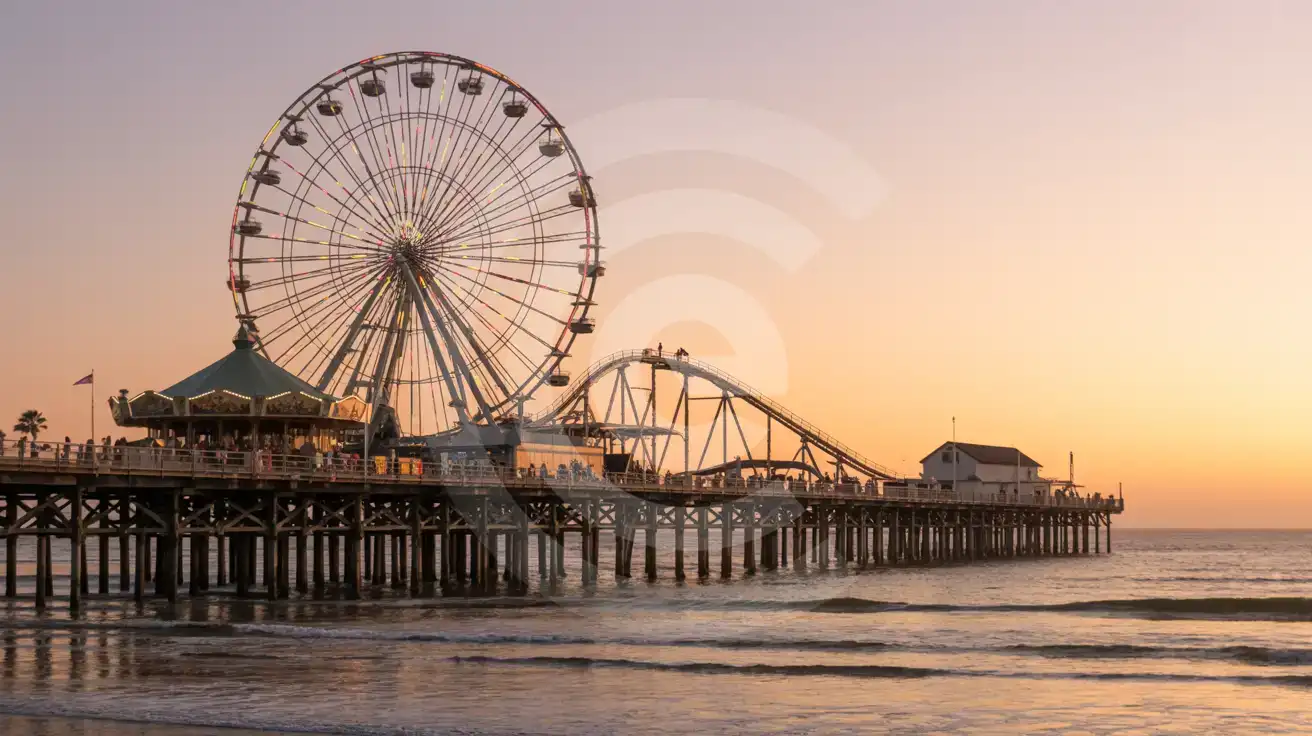
Santa Monica Pier at Golden Hour
Compare WiFi Options at Santa Monica Pier
 Recommended Recommended | Local SIM / Operator | Roaming | |
|---|---|---|---|
| FEATURES | |||
| Setup time | Few minutes | Store visit + paperwork | Auto |
| No local ID needed | Online checkout | Local ID required | Use home account |
| Speed | 4G/LTE; 5G in some areas | Carrier-grade | Partner-dependent |
| Travel support | English support 24/7 | Operator shops and call centre | Home carrier hours |
| Keep home number | Dual SIM | Replaces it | Same number |
| Cost predictability | Fixed price | Bills can spike | Bill-shock risk |
| PRICING | |||
Typical pricing | See plans below | — | — |
PRICING — PICK YOUR ESIMNO PLAN
Featured eSIM plans
American Mobile

American Mobile
American Mobile
American Mobile
American Mobile
American Mobile


