
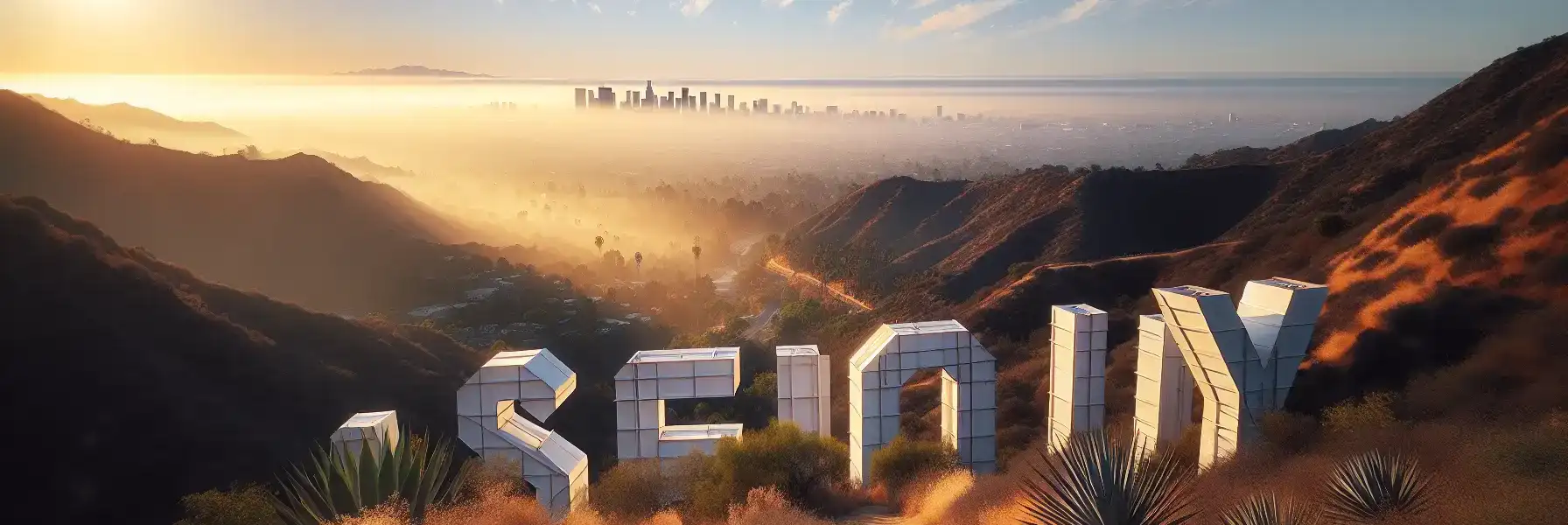
Quick Facts
- Address
- Mount Lee, Griffith Park, Los Angeles, CA 90068
- Trail Hours
- Sunrise to sunset (approx. 5:00 AM – 10:30 PM)
- Admission
- Free (no tickets required)
- Best Viewpoints
- Griffith Observatory, Lake Hollywood Park, Brush Canyon Trail
- Hike Length
- 3-7 miles round trip depending on route
- Letter Height
- 45 feet tall, 30-50 feet wide
- Heritage Status
- LA Historic-Cultural Monument No. 111 (1973)
- Managing Organization
- Hollywood Sign Trust (nonprofit, est. 1978)
- Official Website
- hollywoodsign.org
- eSIMno Networks
- AT&T, T-Mobile, Verizon
About the Hollywood Sign
Nine white letters stand 45 feet tall on the south-facing slope of Mount Lee, visible from much of the Los Angeles basin and photographed more times per day than almost any other structure in America. The Hollywood Sign wasn't built to become an icon — it was real estate advertising, pure and simple.
From Real Estate Gimmick to Global Symbol
In 1923, Los Angeles Times publisher Harry Chandler and a consortium of investors were developing a hillside subdivision called Hollywoodland. They needed something attention-grabbing. The original sign read 'HOLLYWOODLAND' in white sheet metal letters illuminated by approximately 4,000 light bulbs, creating a spectacle visible for miles. The sign was supposed to last 18 months.
The surrounding film industry had other plans. As Hollywood studios consolidated their dominance over global cinema through the 1930s and 1940s, the sign became inseparable from the mythology of movie stardom. By the time the Hollywoodland development faded into memory, the sign had transcended its commercial origins.
Decay, Tragedy, and Resurrection
The sign deteriorated severely by the late 1940s. In 1949, the Hollywood Chamber of Commerce partnered with the Los Angeles Department of Parks and Recreation to repair the structure, removing the 'LAND' suffix and officially shortening it to 'HOLLYWOOD.' But the repairs were temporary fixes on aging infrastructure.
The sign accumulated stories along the way. In 1932, actress Peg Entwistle climbed to the top of the letter 'H' and jumped to her death — a tragedy that became permanently woven into Hollywood's mythology of dreams destroyed. The sign was vandalized repeatedly, most famously altered to 'HOLLYWeeD' in 1976 (and again in 2017) to mark changes in marijuana legislation.
By 1978, the structure had deteriorated beyond patching. Hugh Hefner organized a fundraising campaign that brought together donors including Alice Cooper, Gene Autry, and Andy Williams, each sponsoring a letter at $27,777 apiece. The current sign — constructed from Australian steel rather than the original sheet metal — dates from this complete reconstruction.
Heritage Protection and Modern Stewardship
The sign was designated Los Angeles Historic-Cultural Monument No. 111 in 1973, granting it formal protection under city ordinances. The Hollywood Sign Trust, established during the 1978 reconstruction, manages ongoing maintenance, security, and public access issues. While not a UNESCO World Heritage Site, the sign functions as something more culturally specific: an emblem of American cinema's global reach, the promise and peril of fame, and Los Angeles's transformation from agricultural outpost to entertainment capital.
The sign has appeared in hundreds of films, television programs, novels, and songs — always as shorthand for the specific blend of ambition, glamour, and artifice that defines Hollywood mythology. It remains privately inaccessible yet publicly visible, a fitting metaphor for the industry it represents.
Highlights & Must-See Viewpoints
The Hollywood Sign cannot be approached directly — motion sensors and fencing prevent close access, with trespassing fines running several hundred dollars. Instead, the sign rewards visitors who understand its six major viewpoints, each offering distinct perspectives, accessibility levels, and photographic opportunities.
Griffith Observatory South Lawn
The most photographed angle. From the observatory grounds at 2800 East Observatory Road, you get a clean, straight-on view of the sign across the canyon with the Art Deco observatory architecture in your peripheral frame. The south lawn around the Astronomers Monument provides unobstructed sightlines during all operating hours. This is the viewpoint that appears on postcards, in films, and in most tourist photography. Distance to sign: approximately 1.5 miles as the crow flies.
Lake Hollywood Park
The closest street-level view. This small grassy park on Canyon Lake Drive sits almost directly beneath the sign, offering dramatic ground-up perspectives where the letters loom against open sky. The park draws steady crowds but never feels as packed as the observatory. Parking is limited to street spaces on Canyon Lake Drive; arrive before 9:00 AM on weekends or expect to circle. Distance to sign: approximately 0.5 miles.
Brush Canyon Trail (Canyon Drive Trailhead)
The signature hike. Starting from the Canyon Drive parking area in Griffith Park, this 6-mile round-trip trail climbs through chaparral landscape to a saddle behind the sign, eventually reaching the radio towers on Mount Lee. You'll see the letters from behind — a perspective increasingly popular on social media for its unusual angle. Expect 3-4 hours of hiking with 1,000+ feet of elevation gain. The trail is fully exposed with no shade; bring at least one liter of water per person.
Mount Hollywood Trail via Charlie Turner Trailhead
The observatory-adjacent route. Starting from the parking area near Griffith Observatory, this trail network leads toward Mount Hollywood's summit (1,625 feet) with side routes offering partial views of the sign's rear and western profile. The Wisdom Tree on Cahuenga Peak — a lone pine surviving the 2007 wildfire — marks a popular rest point along this network. Total hiking distance varies from 3-5 miles depending on your specific route.
Hollywoodland Gates on Beachwood Drive
The historical starting point. Two stone-pillared gates at the entrance to Beachwood Canyon date from the original 1920s Hollywoodland development, offering a tangible connection to the sign's origins as real estate advertising. The gates frame the sign in the distance, creating a layered composition that photography enthusiasts prize. Street parking here is severely restricted to residents; rideshare drop-off is the practical approach.
Innsdale Drive and Deronda Drive
The elevated residential perspectives. These narrow streets in the Hollywood Hills offer some of the highest street-level angles on the sign, though neighborhood residents have successfully lobbied for parking restrictions and access limitations over the years. If you do visit, be respectful of private property boundaries — the friction between tourists and homeowners has been a recurring issue since the sign became a social media destination.
Bronson Caves Detour
The bonus attraction. A 10-minute walk from the Brush Canyon trailhead, these former quarry caves served as the Batcave entrance in the 1960s Batman television series and have appeared in dozens of Westerns and science-fiction productions. The caves themselves aren't a sign viewpoint, but they add film-history depth to a Griffith Park hiking day.
Visit Strategy
The Hollywood Sign experience varies dramatically based on when you arrive, which route you choose, and whether you've planned for Los Angeles's parking reality. Here's how to optimize your visit.
Best Time to Visit
Sunrise through 9:00 AM delivers the trifecta: clear visibility before afternoon haze settles over the basin, the best light on the south-facing letters, and the coolest hiking temperatures of the day. The sign faces south, meaning morning light illuminates the letters directly while afternoon creates shadows across the hillside.
Late afternoon (4:00 PM to sunset) provides warm golden-hour light that photographers prize, though summer afternoon haze can soften the view. Evening visits to Griffith Observatory let you watch the sign catch the last light while downtown Los Angeles begins to sparkle behind you.
Seasonal considerations matter more than most visitors expect. Summer hiking can exceed 95°F by midday with zero shade on the trails — heat exhaustion is a genuine risk. Spring (March through May) and autumn (October through November) offer the most comfortable conditions. Winter brings occasional rain and cooler temperatures but also the clearest air quality.
Crowd Patterns
Weekday mornings see the lightest traffic across all viewpoints. Weekend mornings draw serious crowds to both the observatory and Lake Hollywood Park by 10:00 AM. The Brush Canyon Trail becomes a single-file procession on Saturday mornings during peak season.
Griffith Observatory closes on Mondays, which counterintuitively makes Monday a good day for the observatory viewpoint — the parking lot and south lawn remain accessible for sign photography even when the building is closed.
Recommended Duration
Plan based on your approach: Lake Hollywood Park requires 30-60 minutes including transit time. Griffith Observatory viewpoint works well as part of a 2-3 hour observatory visit. The Brush Canyon Trail demands 3-4 hours minimum for the full hike. A comprehensive day combining multiple viewpoints runs 6-8 hours.
Getting There
No direct subway service exists to any Hollywood Sign viewpoint. The Metro B Line (Red Line) stops at Hollywood/Highland and Hollywood/Vine, from where the DASH Observatory shuttle connects to Griffith Observatory on weekends and select weekdays. Check LADOT's schedule — service is limited.
Rideshare (Uber, Lyft) is the practical solution for most viewpoints, but be aware that Lake Hollywood Park and Beachwood Canyon locations may strand you in areas with poor pickup availability. Have your return ride figured out before you arrive.
If driving, the Griffith Observatory parking lot fills by mid-morning on weekends; the Greek Theatre overflow lot on Vermont Canyon Road offers backup options. Lake Hollywood Park has perhaps 20 street spaces on Canyon Lake Drive. Canyon Drive trailhead has a dedicated lot that fills early on weekend mornings.
Photography Rules
Personal photography from all public viewpoints and trails is unrestricted. Drone operation is prohibited within Griffith Park near the observatory and sign itself — the airspace is controlled and violations carry fines. Commercial filming and professional photo shoots require a FilmLA permit; the application process takes 2-3 weeks.
What to Bring
For hiking routes: sturdy closed-toe shoes (trails are rocky and steep in sections), at least one liter of water per person, sun protection (hat, sunscreen, sunglasses), and layers for temperature swings. For viewpoint visits: comfortable walking shoes suffice, though Lake Hollywood Park's grass can be damp in early morning.
Site Walk-Through & Photographer's Guide
The Hollywood Sign doesn't have a gate or entrance — your 'walk-through' is really a sequence of viewpoints that build toward increasingly dramatic perspectives. Here's how to structure a photography-focused day that captures the sign from multiple angles without wasting time on dead ends.
Recommended Walk Sequence
Start at Lake Hollywood Park for sunrise. Arrive by 6:00 AM (earlier in summer) to secure street parking on Canyon Lake Drive and position yourself on the grass facing the sign. The letters catch first light directly, glowing warm against the still-shadowed hillside. Spend 30-45 minutes here as the light evolves from pink to gold to white.
Drive to the Canyon Drive trailhead by 7:30 AM. The Brush Canyon Trail offers the best hiking conditions in the first three hours of daylight before temperatures climb. The 3-mile climb to the rear viewpoint takes most hikers 90 minutes to 2 hours. You'll want the widest lens you have for the unusual behind-the-letters perspective.
Break for lunch in Los Feliz along Vermont Avenue (try Alcove Cafe or Fred 62) while waiting out the harsh midday light. No Hollywood Sign photo worth taking happens between 11:00 AM and 3:00 PM — the south-facing letters wash out in direct overhead sun.
Arrive at Griffith Observatory by 4:00 PM for golden hour. The south lawn positioning lets you catch the sign in warm afternoon light with the observatory's Art Deco architecture available as a foreground element. Stay through sunset for the transition shot: illuminated observatory dome against the darkening hillside where the sign fades into silhouette.
Key Structures to Spend Time At
The Letters Themselves (from Lake Hollywood Park): Look for the way morning shadows define the three-dimensional depth of each letter — they're steel frames covered in panels, not flat surfaces. The 'H' and 'D' letters show the most interesting shadow patterns in early light.
Radio Towers Behind the Sign (from Brush Canyon Trail summit): The telecommunications infrastructure on Mount Lee provides scale reference that makes the 45-foot letters feel appropriately monumental. Include one tower in your composition to anchor the perspective.
Hollywoodland Gates (Beachwood Drive): The 1920s stone pillars are the only surviving physical remnant of the sign's original commercial purpose. Frame the distant sign between the gate columns for a layered historical shot.
Astronomers Monument (Griffith Observatory): The Art Deco monument on the south lawn provides foreground interest for classic tourist shots. Position yourself so the monument leads the eye toward the sign across the canyon.
Wisdom Tree on Cahuenga Peak: This lone surviving pine from the 2007 wildfire serves as a dramatic foreground element on the Mount Hollywood Trail network, though the sign appears smaller from this distance.
Best Photo Spots & Lighting Times
Lake Hollywood Park: Best 6:00-8:00 AM for direct front-lighting. Bring a telephoto lens (200mm+) for tight letter compositions.
Griffith Observatory South Lawn: Best 5:00-7:00 PM for golden hour. Wide-angle (24-35mm) captures the sign in landscape context; medium telephoto (70-100mm) isolates the letters against sky.
Brush Canyon Trail Rear Viewpoint: Best 8:00-10:00 AM when the sun is low enough to create definition without washing out the metal surfaces. Wide-angle essential for the full letter span.
Beachwood Canyon Streets: Best 7:00-9:00 AM from elevated positions on Deronda or Innsdale. Telephoto (150mm+) compresses the perspective between hillside homes and distant letters.
Restoration & Excavation Status
The Hollywood Sign Trust conducts ongoing maintenance including periodic repainting (the letters are repainted approximately every 10 years, last completed in 2012), structural inspections, and security system updates. The perimeter fencing and motion-sensor network around the letters were expanded in the 2010s in response to increased trespassing attempts. No major reconstruction is currently scheduled, though the Trust maintains a preservation fund for future structural work. The surrounding trail system occasionally closes sections for brush clearance and erosion control — check the Griffith Park website for current closures.
Souvenirs & On-Site Shopping
The sign itself has no gift shop or visitor center. Griffith Observatory operates a small retail space with Hollywood Sign merchandise alongside astronomy-themed items — the quality is decent, and proceeds support observatory programs. For dedicated Hollywood Sign souvenirs, the Hollywood & Highland complex near the Walk of Fame offers every variation of logo merchandise imaginable, though the quality varies wildly. The most authentic keepsake is a photograph you take yourself — the sign exists specifically to be photographed, and no manufactured product captures that particular experience.
Nearby Attractions & Logistics
The Hollywood Sign sits within Griffith Park, making it a natural anchor for a full day exploring Los Angeles's cultural and outdoor attractions. Here's how to build an itinerary around your sign visit.
Griffith Park Attractions
Griffith Observatory: The Art Deco observatory opened in 1935 and offers free admission to its exhibit halls, including the Foucault Pendulum in the central rotunda, the Tesla Coil demonstration, and the Hall of the Sky astronomical displays. The Samuel Oschin Planetarium runs ticketed shows ($7 adults, $5 seniors and children) throughout the day. On clear evenings, the Zeiss telescope on the roof is open to the public for free viewing — lines form by sunset. The Café at the End of the Universe, operated by Wolfgang Puck, serves decent food with extraordinary views.
Greek Theatre: This 5,900-seat outdoor amphitheater near the observatory entrance hosts a summer concert season (typically May through November) featuring major artists across genres. If your visit coincides with a show, expect traffic congestion on the park roads starting around 5:00 PM.
Bronson Caves: The former quarry caves that served as the Batcave in the 1960s Batman series lie a 10-minute walk from the Brush Canyon trailhead. Free access during park hours.
Greater Hollywood District
Hollywood Walk of Fame: About 15 minutes by car from Griffith Park, the Walk of Fame stretches 1.3 miles along Hollywood Boulevard and Vine Street with 2,700+ brass-and-terrazzo stars embedded in the sidewalk. The TCL Chinese Theatre forecourt with celebrity hand and footprints sits at the Walk's center.
Hollywood Bowl: The legendary 17,500-seat outdoor amphitheater hosts the Los Angeles Philharmonic's summer season plus major concerts. Evening performances pair well with a morning Hollywood Sign hike.
Capitol Records Building: The 1956 circular tower at Hollywood and Vine, designed to resemble a stack of records, is worth a quick photo stop on your way between Griffith Park and the Walk of Fame.
Where to Eat
Los Feliz (Vermont Avenue): The closest quality dining to Griffith Park. Alcove Cafe serves excellent brunch in a garden setting. Fred 62 offers diner classics 24 hours. Little Dom's does Italian-American comfort food that locals actually eat at.
Hollywood Boulevard: Musso & Frank Grill (opened 1919) serves Old Hollywood atmosphere with your martini and steak. For something less formal, Jitlada on Sunset delivers Thai food that serious chefs drive across the city for.
Transportation Between Attractions
Griffith Park lacks internal shuttle service. If you're without a car, plan on rideshare between the observatory, trailheads, and other park attractions — walking distances between venues can exceed 3 miles. From Griffith Observatory to Hollywood/Highland on the Metro B Line, the DASH shuttle provides weekend connection, but verify current schedules as service changes seasonally.
Parking throughout the Griffith Park and Hollywood areas runs $4-$10 per hour depending on location. Street parking in residential areas (Beachwood Canyon, Lake Hollywood) is often restricted to residents with permits — read signs carefully, as tickets run $75+.
Why Data Matters at the Hollywood Sign
The Hollywood Sign experience relies on navigation, coordination, and real-time information in ways that aren't immediately obvious until you're circling Beachwood Canyon with no cell signal.
Trail navigation requires reliable GPS. The Brush Canyon and Mount Hollywood trail networks branch repeatedly, and the signage isn't always clear — having AllTrails or a downloaded offline map running makes the difference between a confident hike and a frustrating wrong turn. Rideshare coordination matters more than usual because several sign viewpoints strand you in residential areas where pickup availability is spotty. If you're getting dropped at Lake Hollywood Park, have your return strategy confirmed before you exit the vehicle.
The practical solution is setting up mobile data before you land at LAX. An eSIMno plan connects through AT&T and T-Mobile networks — both provide solid coverage across Griffith Park and the Hollywood Hills. You'll have reliable service for navigation, rideshare apps, real-time parking alerts, and sharing photos while you're actually standing in front of the view instead of waiting until you're back at your hotel.
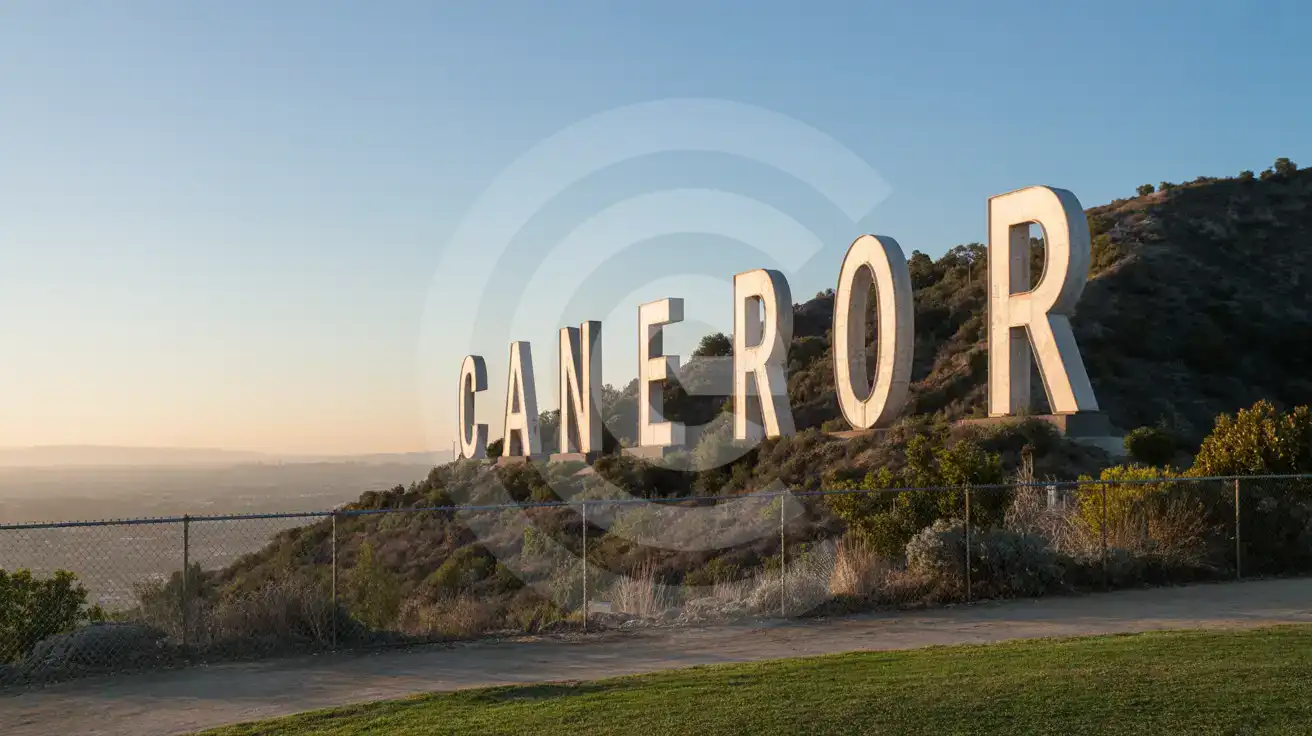
The Iconic View
Compare WiFi Options at Hollywood Sign
 Recommended Recommended | Local SIM / Operator | Roaming | |
|---|---|---|---|
| FEATURES | |||
| Setup time | Few minutes | Store visit + paperwork | Auto |
| No local ID needed | Online checkout | Local ID required | Use home account |
| Speed | 4G/LTE; 5G in some areas | Carrier-grade | Partner-dependent |
| Travel support | English support 24/7 | Operator shops and call centre | Home carrier hours |
| Keep home number | Dual SIM | Replaces it | Same number |
| Cost predictability | Fixed price | Bills can spike | Bill-shock risk |
| PRICING | |||
Typical pricing | See plans below | — | — |
PRICING — PICK YOUR ESIMNO PLAN
Featured eSIM plans
American Mobile

American Mobile
American Mobile
American Mobile
American Mobile
American Mobile


